


Some people in the northeast of the USA fly south for the winter. However, for those of us who stay, as temperatures drop, many people notice changes in their skin. Dryness, itching, redness, and rashes often become more common during colder months. For some, these symptoms are mild and temporary. For others, cold weather can trigger specific skin conditions that require extra care. At HMGS Dermatology in South Jersey, we believe education is key to keeping your skin healthy and comfortable all winter long.
Below, we explore some of the most common cold related skin conditions, what causes them, how they appear, and what you can do to protect yourself and your family.
Winter Itch
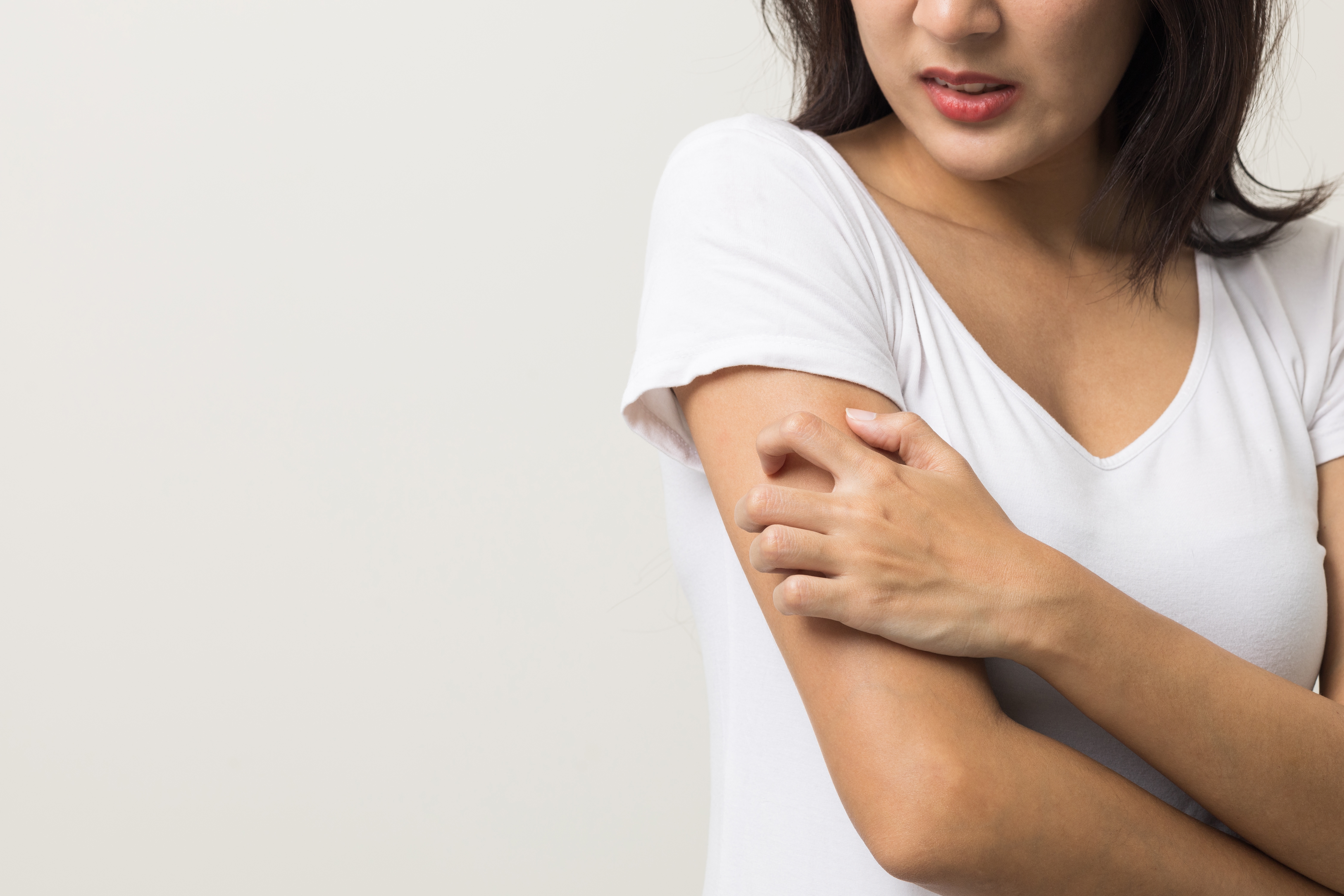
Winter itch is one of the most common seasonal skin complaints. Cold outdoor air combined with heated indoor environments pulls moisture from the skin. Older patients are particularly susceptible to this condition. Other factors that might predispose you this include hypothyroidism, psoriasis, eczema, using harsh soaps and swimming in chlorinated pools.This leads to dryness, tightness, and persistent itching, especially on the arms, legs, and lower back.
Symptoms often develop gradually and may last throughout the winter if not addressed. For most people, winter itch improves within a few weeks once consistent moisturizing and gentle skin care habits are in place.
Helpful prevention tips include:
- Using fragrance free moisturizers daily, especially after bathing
- Taking shorter, lukewarm showers instead of hot ones
- Avoiding harsh soaps and using soaps or cleansers with a more neutral pH such as Cetaphil, CeraVe or Dove
- Using a humidifier indoors to add moisture to the air
HMGS Dermatology will sometimes prescribe topical corticosteroids to alleviate any associated eczema or dermatitis.
Pernio
Pernio, also known as chilblains, occurs when skin is exposed to cold and damp conditions. It most often affects the fingers and toes. Small blood vessels react abnormally to cold, leading to red or purple patches that may feel itchy, tender, or swollen. There was a significant increase in cases during the COVID-19 pandemic. This particularly impacted younger patients and was dubbed “COVID toes”.
Symptoms usually appear within hours of cold exposure and may take one to three weeks to fully resolve once the skin is kept warm and protected. Children and people with impaired circulation may be more prone to pernio.
To reduce the risk, it is important to keep exposed skin warm, dry, and well covered during cold weather. Gradual warming is best, as sudden heat can worsen symptoms. HMGS Dermatology can prescribe topical corticosteroids, topical nitroglycerin and systemic therapies including calcium channel blockers for more advanced cases.
Cold Urticaria
Cold urticaria is a condition where exposure to cold temperatures triggers hives on the skin. These hives can appear within minutes of cold air, cold water, or even holding a cold object. The affected areas may itch, swell, or feel uncomfortable.
Hives usually fade within one to two hours after the skin warms, though some people may experience more prolonged reactions. In rare cases, cold urticaria can cause more serious systemic symptoms, which is why proper evaluation is important.
Managing cold urticaria often involves limiting cold exposure and wearing protective clothing. A dermatologist may recommend anti-histamine medications to help control symptoms and reduce flare ups.
Grover’s Disease
This is not the Sesame Street rash or even blue in color! In fact, the disease was named after an American dermatologist, Dr. Ralph Wier Grover, who practiced in Floral Park, NY.
This disorder often presents with really itchy, small (2-3mm), red bumps often found on the flanks, abdomen, back and chest. The bumps might feel scaly or rough. Fair skin men over age 50 are particularly susceptible to developing Grover’s disease.
While historically thought to be a disease triggered by heat, sweating and warm weather, HMGS providers see many cases of Grover’s disease in the winter months. One theory is that the dry skin (xerosis) in seasons with low ambient humidity actually impairs sweating.
At HMGS we use an array of therapies to help alleviate this itchy rash. Topical corticosteroids, oral retinoids, phototherapy, systemic steroids and biologics such as dupilumab can be utilized.
When to See a Dermatologist
If winter related skin symptoms are persistent, painful, or interfering with daily life, it may be time to seek professional care. A dermatologist can help determine the cause, recommend appropriate treatments, and guide you on long term prevention.
At HMGS Dermatology, we are committed to helping patients of all ages navigate seasonal skin challenges with confidence and care.
Ready to take control of your winter skin health? Book your appointment online today and let our experienced team support your skin through every season.
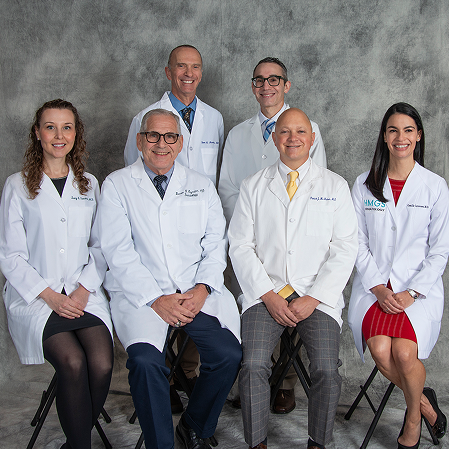
Board Certified Dermatologists and Partners
Dr. Warren Heymann, Dr. Steven Manders, Dr. Justin Green, Dr. Lacy Sommer, Dr. Patrick McMahon, and Dr. Camille Introcaso, MD
The partners of HMGS Dermatology represent some of the most highly trained, accomplished, and respected dermatologists in the region, bringing together decades of expertise across general, pediatric, surgical, and academic dermatology. With education and training from some of the nation’s top institutions—including the University of Pennsylvania, UCSF, Temple, and Rutgers—they are board-certified in multiple subspecialties such as dermatology, pediatric dermatology, and dermatopathology. Many serve as professors and program directors at Cooper Medical School of Rowan University, shaping the future of dermatology through teaching, research, and leadership. Collectively, they have held prestigious roles such as division heads, board directors, and presidents of dermatologic societies, while earning recognition through numerous “Top Doctor” awards and lifetime achievement honors. Whether advancing innovation in pediatric care, cutaneous oncology, or medical education, the HMGS partners are united by their commitment to excellence and providing the highest standard of compassionate, expert skin care to their patients.