


Tattoos are a popular form of self-expression, and many people in South Jersey enjoy the artistry of ink. Tattoos are often meaningful, whimsical, or symbolic. However, they
can impact your skin, so it’s important to understand their potential medical implications. At HMGS Dermatology, our dermatologists appreciate your individualism. We focus on helping you enjoy tattoos safely while keeping your skin healthy.
Can Tattoos Cause Skin Cancer?
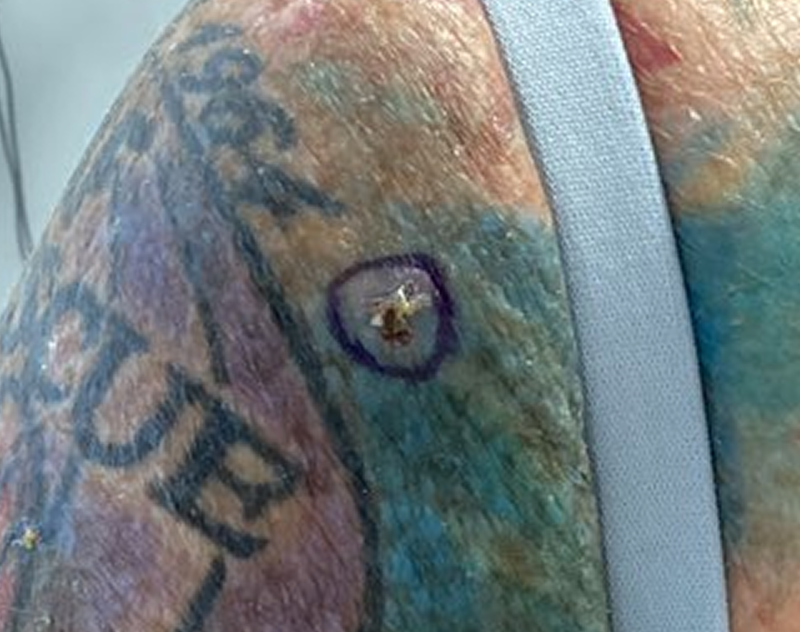
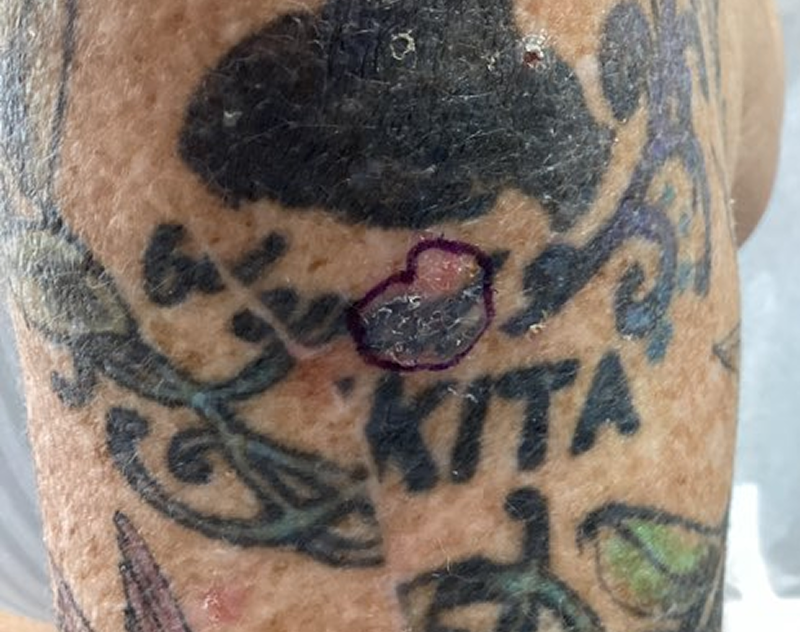
The greater risk is that a tattoo may obscure a skin cancer and make it harder to detect. While HMGS Dermatology providers have keen eyes and utilize medical imaging and dermatoscopes, finding an early melanoma, basal cell carcinoma, or squamous cell carcinoma can sometimes be challenging within a tattoo. Here are some examples of skin cancers that a HMGS Dermatologist found within tattoos.
Skin Disease Occur Within a Tattoo?
Yes, HMGS Dermatologists sometimes diagnose sarcoidosis, psoriasis, granulomatous diseases, and lichen planus in tattoos. Interestingly, sarcoidosis often presents within the red or black ink of a tattoo. Uncommonly, mycobacterial diseases, molluscum and HPV infections can occur. Also, mimickers of malignancy-pseudolymphomas and pseudoepitheliomatous hyperplasia sometimes arise within a tattoo.
Common Skin Reactions After Getting a Tattoo
Most people experience minor redness or swelling around a new tattoo, which usually improves within a few days. These reactions are generally temporary, but there are cases where allergic responses or irritation may require professional attention.
Signs to monitor include:
- Persistent redness or swelling beyond the first week
- Itching that worsens or spreads
- Blistering or oozing in the tattooed area
- Hard or raised bumps under the ink
If you notice any of these symptoms, it is best to schedule an appointment with a dermatologist to ensure your skin remains healthy.
Long-Term Effects of Tattoos
Over time, tattoos can change in appearance due to sun exposure, skin aging, or other environmental factors. In some cases, pigments may trigger allergic contact and phot-allergic contact dermatitis even years after getting the tattoo. While serious complications are uncommon, monitoring your tattooed skin is important for overall skin health.
Tips for Caring for Tattooed Skin
Proper care can reduce the risk of irritation and help your tattoo heal smoothly. Dermatologists recommend:
- Keeping the area clean and moisturized during the healing period
- Avoiding direct sun exposure and using sunscreen after the tattoo has healed
- Refraining from scratching or picking at the tattoo
- Using fragrance-free lotions and gentle skincare products
Following these steps can help prevent common issues such as itching, redness, or fading. Always follow any aftercare instructions provided by your tattoo artist as well.
When to Seek Professional Attention
While minor reactions are often normal, you should contact a dermatologist if your tattooed skin shows signs of infection, persistent irritation, or unusual changes. Early evaluation can prevent more serious problems and ensure your skin remains healthy.
Trust HMGS Dermatology with your Tattooed Skin
Our team at HMGS Dermatology in South Jersey is here to provide reliable advice for anyone with tattoos or considering getting one. We do not perform tattoo removal in our practice, but we can guide you on safe tattoo care and help identify any skin concerns that may arise. Our goal is to help you care for your artistic expression, enjoy your tattoos and keep your skin vibrant and healthy.
Book an appointment online today to speak with one of our dermatologists and get personalized guidance for your tattooed skin.
Board Certified Dermatologists and Partners
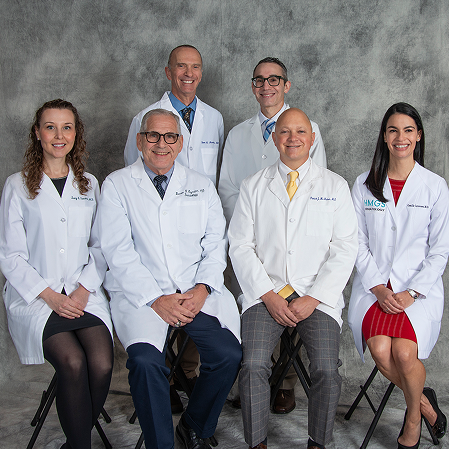
Dr. Warren Heymann, Dr. Steven Manders, Dr. Justin Green, Dr. Lacy Sommer, Dr. Patrick McMahon, and Dr. Camille Introcaso, MD
The partners of HMGS Dermatology represent some of the most highly trained, accomplished, and respected dermatologists in the region, bringing together decades of expertise across general, pediatric, surgical, and academic dermatology. With education and training from some of the nation’s top institutions—including the University of Pennsylvania, UCSF, Temple, and Rutgers—they are board-certified in multiple subspecialties such as dermatology, pediatric dermatology, and dermatopathology. Many serve as professors and program directors at Cooper Medical School of Rowan University, shaping the future of dermatology through teaching, research, and leadership. Collectively, they have held prestigious roles such as division heads, board directors, and presidents of dermatologic societies, while earning recognition through numerous “Top Doctor” awards and lifetime achievement honors. Whether advancing innovation in pediatric care, cutaneous oncology, or medical education, the HMGS partners are united by their commitment to excellence and providing the highest standard of compassionate, expert skin care to their patients.