


Vitiligo is a condition that goes far deeper than the color of your skin. If you or someone you love has noticed patches of lost pigmentation appearing on the face, hands, or body, you already know that the questions start immediately: What is causing this? Will it spread? What can be done? This page is for patients who are in research mode, looking for honest, medically relevant information about vitiligo and its impact on daily life. If you are ready to speak with a board-certified dermatologist, call us for details and schedule a consultation today.
Understanding Vitiligo: What Is Actually Happening in Your Skin
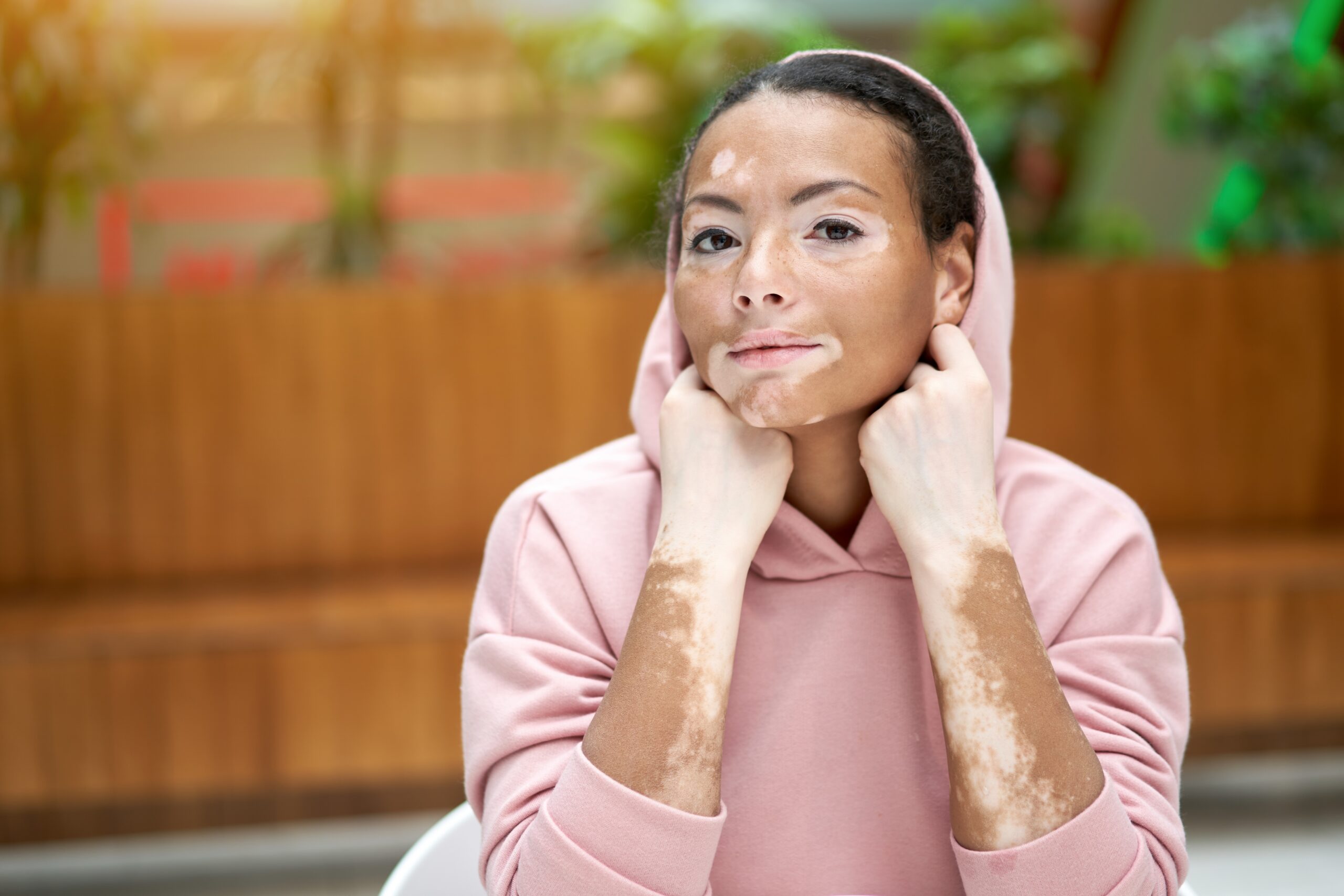
Vitiligo occurs when melanocytes, the cells responsible for producing pigment in the skin, are destroyed or stop functioning. The result is depigmented/white patches that appear lighter than the surrounding skin. Researchers believe the condition is autoimmune in nature, meaning the body’s own immune system may be targeting and attacking these pigment-producing cells. Vitiligo affects people of all skin tones and ethnicities, though the contrast between affected and unaffected skin is often more visible on deeper skin tones.
There are two primary forms. Generalized vitiligo, also called non-segmental vitiligo, is the most common type. Patches tend to appear on both sides of the body and may continue to spread over time. This form often is found on the face and near the eyes, nose, ears, and/or mouth. Segmental vitiligo affects only one side or segment of the body and typically stabilizes more quickly, though patterns vary considerably from patient to patient.
Vitiligo is not contagious. It is not caused by alterations in diet, weight or anything a patient did wrong. Correcting this misunderstanding is one of the first things to note, as the stigma surrounding the condition is a significant source of distress for many patients. Our physicians have treated patients across several generations of South Jersey families, and we have seen firsthand how much a clear, plain-spoken explanation of the condition matters from day one. You can explore the full range of dermatology services available in South Jersey to understand how vitiligo fits within comprehensive skin care.
The Emotional Toll of Vitiligo: Why It Is More Than a Skin Condition
For many patients, the emotional weight of vitiligo rivals or exceeds that of other chronic diseases. Research consistently shows that individuals living with vitiligo report higher rates of anxiety, depression, and social withdrawal compared to the general population. Vitiligo affects visible areas of the body in many cases, including the face, neck, and hands, which means it is difficult to conceal and difficult to ignore.
Patients often describe a grieving process when patches first appear, followed by frustration as the condition remains active and may continue to progress unpredictably. Children and adolescents with vitiligo face particular challenges, including bullying and social isolation at formative stages of identity development. Adults report impacts on professional confidence, romantic relationships, and general quality of life.
Acknowledging this emotional dimension is not separate from medical care. It is central to it. Conditions that affect skin pigmentation, including discoid lupus, acne, and melasma, often carry a similar psychological burden, and our experienced dermatologists understand this connection. Our board-certified team brings both clinical depth and a genuine understanding of what patients are carrying when they walk through our doors. Individual experiences vary, and there is no single emotional response that is more valid than another.
Vitiligo Treatment Options: What Current Approaches May Offer
While no approach restores pigmentation in every patient, there are several evidence-supported options that a dermatologist may recommend depending on the extent, location, and progression of your vitiligo. Individual results vary, and a personalized treatment plan developed in consultation with a board-certified dermatologist is always the appropriate starting point.
Topical Therapies
Topical corticosteroids and calcineurin inhibitors have a long history of use in vitiligo management. They may help slow progression and, in some cases, support repigmentation, particularly when started early. In 2022, the FDA approved (Opzelura) ruxolitinib cream for repigmentation in non-segmental vitiligo in patients 12 years and older, marking a significant breakthrough in topical treatment options.
Phototherapy
Narrowband UVB (NBUVB) phototherapy is considered a safe and well-established treatment approach for vitiligo. HMGS Dermatology offers XTRAC laser in all 3 of our office and stand up, whole body NBUVB units in Hammonton and Marlton. Phototherapy may help stimulate melanocyte activity in affected areas. Results require consistency over multiple sessions and vary by patient, but many individuals see meaningful improvement with regular treatment. Most insurances will pay for these treatments.
Systemic and Emerging Therapies
For more extensive vitiligo, systemic options including pulse corticosteroids or newer oral JAK inhibitor therapies may be discussed. This is an active area of dermatologic research. Our physicians have contributed to over 620 peer-reviewed publications and train dermatology residents at Cooper Medical School of Rowan University, which means patients here benefit from care informed by the latest clinical evidence. Surgical options such as skin grafting may be considered in stable segmental cases. You can review our provider publications for a sense of the depth of research that informs our clinical work.
Why Choose HMGS Dermatologists in South Jersey
HMGS Dermatologists serve patients across Burlington, Camden, Gloucester, Cape May, Cumberland, Salem and Atlantic counties from three locations in Marlton, Camden, and Hammonton. For South Jersey patients navigating a vitiligo diagnosis, that geographic reach means access to board-certified expertise close to home.
Our eight board-certified dermatologists are certified by the American Board of Dermatology, and our physicians serve as professors and program directors for the dermatology residency at Cooper Medical School of Rowan University. Dr. Heymann received the 2025 Master Dermatologist Award from the American Academy of Dermatology, one of the most prestigious honors in the specialty. Our practice has been recognized in NJ Monthly’s Top Doctors list and featured in AP News, Philadelphia Magazine, Business Insider, and other major outlets.
We have cared for several generations of South Jersey families, and we bring that same continuity of care and plain-spoken honesty to every vitiligo consultation. Whether you are newly diagnosed or have been managing vitiligo for years without adequate support, we are here to help. Contact us to schedule a consultation and take the next step.
Frequently Asked Questions About Vitiligo
Is vitiligo a sign of a more serious underlying condition?
Vitiligo is an autoimmune condition, and it may be associated with other autoimmune disorders such as thyroid disease. A thorough evaluation may include screening for related conditions, particularly if you have a family history of autoimmune issues. This does not mean vitiligo is dangerous on its own, but a complete assessment with a board-certified dermatologist is an important starting point for any new diagnosis.
Can vitiligo spread, and is there a way to predict how it will progress?
Progression varies significantly from patient to patient. Some individuals experience rapid spreading over months, while others go years with little change. There is currently no reliable way to predict exactly how vitiligo will behave in any one person. Consulting a dermatologist early may allow for treatment options that could help slow progression, though individual results vary.
Does vitiligo affect all skin tones equally?
Vitiligo occurs across all ethnicities and skin tones. However, the visual contrast between depigmented patches and surrounding skin tends to be more pronounced on deeper skin tones, which can affect how emotionally visible the condition feels. Providers with experience treating patients across a wide range of skin types are better equipped to tailor both treatment and support appropriately.
How long does vitiligo treatment take to show results?
Treatment timelines depend heavily on the approach, the area of the body affected, and individual patient factors. Phototherapy, for example, typically requires consistent sessions over several months before meaningful improvement may be observed. Topical therapies may work more gradually. A board-certified dermatologist can give you a more specific sense of what to expect based on your individual situation.
Do you accept insurance for vitiligo treatment at your South Jersey locations?
Many medical dermatology services, including vitiligo evaluation and treatment, may be covered by insurance depending on your specific plan. We recommend reviewing your coverage in advance and reaching out to our team with any questions. You can review general insurance information on our website or call us directly to discuss your specific situation before your appointment.
Take the Next Step Toward Understanding Your Vitiligo
Living with vitiligo in South Jersey does not mean navigating it alone. Our board-certified dermatologists bring decades of experience, academic credentials, and a genuine commitment to treating the whole patient, not just the patches. Call us for details to schedule your vitiligo consultation at our Marlton, Camden, or Hammonton locations and get the answers you deserve.
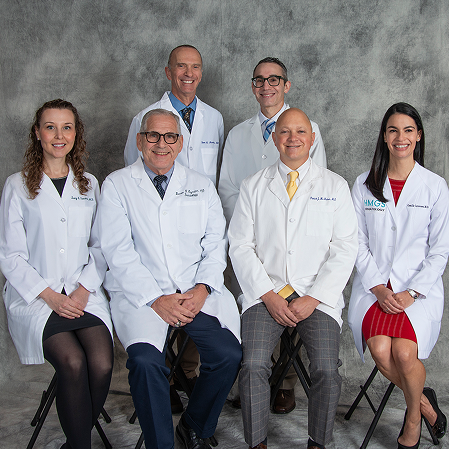
Board Certified Dermatologists and Partners
Dr. Warren Heymann, Dr. Steven Manders, Dr. Justin Green, Dr. Lacy Sommer, Dr. Patrick McMahon, and Dr. Camille Introcaso, MD
The partners of HMGS Dermatology represent some of the most highly trained, accomplished, and respected dermatologists in the region, bringing together decades of expertise across general, pediatric, surgical, and academic dermatology. With education and training from some of the nation’s top institutions—including the University of Pennsylvania, UCSF, Temple, and Rutgers—they are board-certified in multiple subspecialties such as dermatology, pediatric dermatology, and dermatopathology. Many serve as professors and program directors at Cooper Medical School of Rowan University, shaping the future of dermatology through teaching, research, and leadership. Collectively, they have held prestigious roles such as division heads, board directors, and presidents of dermatologic societies, while earning recognition through numerous “Top Doctor” awards and lifetime achievement honors. Whether advancing innovation in pediatric care, cutaneous oncology, or medical education, the HMGS partners are united by their commitment to excellence and providing the highest standard of compassionate, expert skin care to their patients.