


Understanding psoriasis symptoms is one of the most important steps a patient can take before seeking care. Psoriasis is a chronic inflammatory skin condition that affects millions of Americans, and its symptoms can range from mildly uncomfortable to significantly disruptive to daily life. If you or someone in your family is noticing persistent skin changes, knowing what to look for, what causes flares, and what treatment options exist can help you have a more informed conversation with a dermatologist. The team at HMGS Dermatologists in Hammonton, NJ is here to help South Jersey patients navigate this condition with confidence. To get started, call us for details on scheduling a consultation.
What Causes Psoriasis and Why Symptoms Develop
Psoriasis is driven by an overactive immune response that accelerates the skin cell life cycle. In healthy skin, cells grow, mature, and shed over the course of roughly a month. In psoriasis, that process is compressed into just a few days. The result is a rapid buildup of cells on the skin’s surface, which produces the hallmark plaques, scaling, and inflammation that define the condition’s symptoms.
Genetics play a meaningful role. Research suggests that individuals with a family history of psoriasis are more likely to develop it themselves. Environmental triggers are often what activate psoriasis in a genetically susceptible person. Common triggers may include stress, infections such as streptococcal pharyngitis, certain medications, skin injury, and weather changes. South Jersey’s seasonal shifts, from humid summers to dry winters, may aggravate symptoms in patients who are already managing the condition.
Psoriasis is not contagious. Recognizing psoriasis as an immune-mediated disease is foundational to both patient confidence and effective treatment planning. Our providers have contributed to over 620 peer-reviewed publications advancing the understanding of conditions like this one, and that depth of knowledge directly shapes how we guide patients.
Recognizing the Signs and Symptoms of Psoriasis: What to Watch For
Psoriasis symptoms vary depending on the type, but the most common form, plaque psoriasis, presents with raised, red plaques covered by silvery-white scales. These plaques most often appear on the elbows, knees, scalp, and lower back, though they can develop anywhere on the body. The affected skin may feel dry, cracked, or thickened, and itching or burning sensations are frequently reported. In some cases, the skin may bleed if scratched or irritated.
Types of Psoriasis and Their Distinct Presentations
Beyond plaque psoriasis, several other types present with their own characteristic symptoms. Guttate psoriasis appears as small, drop-shaped lesions and is often triggered by a bacterial infection. Inverse psoriasis develops in skin folds such as the armpits or groin, where friction and moisture are present. Pustular psoriasis produces white, fluid-filled blisters surrounded by inflamed skin. Erythrodermic psoriasis, while rare, may cover large portions of the body and warrants prompt medical attention.
Nail involvement is another symptom pattern worth recognizing. Psoriasis can cause pitting, discoloration, thickening, or separation of the nail from the nail bed. Psoriatic arthritis, a related condition, may accompany skin symptoms and involves joint pain, swelling, and morning stiffness. Patients experiencing joint-related symptoms alongside their skin findings should discuss this with their provider. For a deeper look at this condition and related skin concerns, our psoriasis treatment resource for South Jersey patients offers additional context.
Psoriasis Treatment Options: What Research and Experience Support
There is no single treatment that works the same way for every patient, and managing psoriasis typically involves an individualized approach based on the severity of symptoms, the type of psoriasis present, and a patient’s overall health history. Mild cases may respond well to topical therapies, including corticosteroids, PDE4 inhibitors, tapinarof, vitamin D analogs, retinoids, or calcineurin inhibitors. These are applied directly to affected skin and may help reduce inflammation and slow skin cell turnover.
Phototherapy or XTRAC laser, which uses controlled exposure to narrow bands of ultraviolet light, is another option that HMGS providers employ in appropriate patients. For moderate to severe psoriasis, systemic medications that work throughout the body may be considered. These include traditional oral agents as well as biologics, a newer class of medications that target specific components of the immune response. Advanced oral therapies and biologic therapies have shown meaningful results in clinical research, and many patients report significant improvement in their symptoms with these options.
Biologics and Advanced Therapies
Our practice offers the full spectrum of biological treatments for psoriasis that are tailored to each patient’s clinical profile. Biologics are typically reserved for patients whose psoriasis has not responded adequately to topical, advanced oral or phototherapy approaches, or whose condition significantly affects quality of life. The decision to pursue any systemic therapy is made collaboratively between patient and provider, with careful attention to candidacy, monitoring, and realistic expectations. Our physicians have been managing conditions like psoriasis across generations of South Jersey families, and that clinical continuity matters when navigating a long-term condition.
Patients who also manage other inflammatory skin conditions may find it useful to review information on eczema treatment options, as eczema and psoriasis can sometimes be confused due to overlapping symptoms. Understanding the distinctions helps ensure patients receive the most appropriate care from the start.
Why Choose HMGS Dermatologists in Hammonton, NJ
HMGS Dermatologists serves patients across Atlantic, Burlington, Camden counties and beyond, with locations in Hammonton, Marlton, and Camden. For South Jersey patients researching psoriasis symptoms and treatment, this regional reach means expert care is close to home.
The practice is staffed by eight board-certified dermatologists whose credentials span the American Board of Dermatology, Dermatopathology, and Pediatric Dermatology. Their physicians serve as professors and program directors for the Dermatology Residency program at Cooper Medical School of Rowan University, training the next generation of dermatologists. Dr. Heymann received the 2025 Master Dermatologist Award from the American Academy of Dermatology, one of the most prestigious honors in the specialty. The practice’s providers have authored over 620 peer-reviewed publications, and HMGS has been recognized by NJ Monthly as a Top Doctors practice for the region.
Advanced practice providers at HMGS work alongside the practice’s physicians, which means every patient receives care rooted in the same high level of standards. To explore the breadth of services available, visit the medical dermatology services page.
Contact HMGS Dermatologists to schedule a consultation and speak with a provider about your symptoms.
Frequently Asked Questions
How do I know if my skin symptoms are psoriasis or another condition like eczema?
Psoriasis and eczema share some overlapping symptoms, including redness and itching, but they often differ in appearance, location, and underlying cause. Psoriasis typically presents with thicker, silvery-scaled plaques, while eczema tends to produce more fluid-filled or weeping lesions. A board-certified dermatologist can accurately distinguish between the two through a clinical examination and, when needed, a skin biopsy. Accurate diagnosis is essential before any treatment begins.
Can psoriasis symptoms go away on their own?
Psoriasis is a chronic condition, meaning symptoms tend to follow a pattern of flares and periods of improvement rather than resolving permanently without care. Some patients experience extended remission, while others have more persistent symptoms. Treatment may help reduce the frequency and severity of flares. Research suggests that identifying and managing personal triggers, alongside medical therapy, may support longer periods of clearer skin. Consulting a dermatologist is the most reliable path toward a management plan suited to your situation.
Are there psoriasis treatments appropriate for children?
Yes, psoriasis can affect children, and treatment approaches for younger patients are carefully tailored to their age and the severity of their symptoms. 4 HMGS Dermatologists hold subspecialty board certification in Pediatric Dermatology, which means younger patients are evaluated by real experts. Mild cases in children are often managed with gentle topical therapies. More involved cases may require additional evaluation. Parents who notice psoriasis-like signs and symptoms in their child are encouraged to schedule a dedicated pediatric dermatology appointment.
Is psoriasis linked to other health conditions I should know about?
Research suggests that psoriasis may be associated with other systemic conditions, including psoriatic arthritis, cardiovascular disease, and metabolic syndrome. Patients with moderate to severe psoriasis are sometimes encouraged to discuss these associations with both their dermatologist and primary care provider. This does not mean every patient with psoriasis will develop these conditions, but awareness supports more comprehensive care. Our physicians, with their academic background and research experience, approach psoriasis as a whole-body concern, not just a skin issue.
Does HMGS Dermatologists in Hammonton, NJ accept insurance for psoriasis treatment?
HMGS Dermatologists works with a wide range of insurance providers across South Jersey. Coverage for specific psoriasis treatments, including phototherapy, XTRAC laser, advanced oral therapies and biologics, varies by plan and may require prior authorization. We recommend reviewing insurance and coverage information on our website or calling the office to verify your benefits before your appointment. Our team is happy to assist patients in understanding their coverage options so they can focus on their care without added administrative stress.
Take the Next Step Toward Managing Your Psoriasis Symptoms in Hammonton, NJ
If you are experiencing psoriasis symptoms in or around Hammonton, NJ, the board-certified dermatologists at HMGS are ready to help. With decades of experience serving South Jersey families, academic credentials, and a full range of medical and advanced therapies, our team offers the kind of expert, personalized care that can make a real difference. Call us for details and schedule your consultation today.

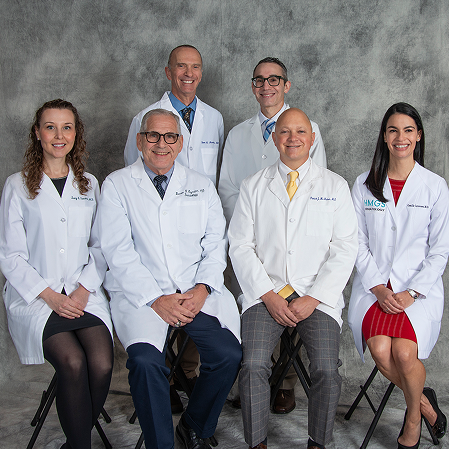
Board Certified Dermatologists and Partners
Dr. Warren Heymann, Dr. Steven Manders, Dr. Justin Green, Dr. Lacy Sommer, Dr. Patrick McMahon, and Dr. Camille Introcaso, MD
The partners of HMGS Dermatology represent some of the most highly trained, accomplished, and respected dermatologists in the region, bringing together decades of expertise across general, pediatric, surgical, and academic dermatology. With education and training from some of the nation’s top institutions—including the University of Pennsylvania, UCSF, Temple, and Rutgers—they are board-certified in multiple subspecialties such as dermatology, pediatric dermatology, and dermatopathology. Many serve as professors and program directors at Cooper Medical School of Rowan University, shaping the future of dermatology through teaching, research, and leadership. Collectively, they have held prestigious roles such as division heads, board directors, and presidents of dermatologic societies, while earning recognition through numerous “Top Doctor” awards and lifetime achievement honors. Whether advancing innovation in pediatric care, cutaneous oncology, or medical education, the HMGS partners are united by their commitment to excellence and providing the highest standard of compassionate, expert skin care to their patients.