


Your skin is your body’s largest organ, and keeping it healthy is about far more than appearance. For residents of Hammonton, NJ, and throughout South Jersey, understanding the medical dermatology benefits for skin health can make a meaningful difference in how you feel, how you look, and how confidently you manage your own skin concerns. This guide covers what medical dermatology is, how it addresses chronic skin conditions, when to see a medical dermatologist, and what comprehensive care looks like from diagnosis through long-term management. Whether you’re dealing with persistent skin issues or simply want to maintain healthy skin as you age, the information here will help you make informed decisions.
If you’d like to discuss your options with a specialist, contact HMGS Dermatology at (856) 596-0111.
What Medical Dermatology Offers Patients
Medical dermatology focuses on diagnosing and managing conditions that affect the skin, hair follicles, and nails. It goes well beyond what over-the-counter treatments and basic skin care routines can accomplish. A qualified medical dermatologist evaluates the root cause of your skin issues rather than just the surface symptoms.
Medical dermatology offers access to prescription medications, topical medications, oral medications, and advanced procedures that are simply not available without professional evaluation. For patients living with chronic skin conditions like psoriasis, eczema, or rosacea, this access to tailored treatments can significantly improve overall well-being and quality of life.
Skin acts as a barrier against environmental threats, helps regulate body temperature, and signals underlying health changes. When something is wrong, your skin often reflects it. Medical dermatology helps patients address those signals early, before minor concerns become more serious skin problems.
Common Skin Conditions Medical Dermatology Treats
The range of skin conditions treated through medical dermatology is broad. Some of the most frequently seen include:
Acne and Acne Scars
Acne treatment is one of the most common reasons patients visit a medical dermatologist. While mild acne may respond to over-the-counter products, moderate to severe cases typically require prescription-strength topical creams, oral medications, or in-office procedures. Acne scars that develop after breakouts can also be addressed through professional skin care options that go beyond what home remedies offer.
Chronic Skin Conditions
Conditions like eczema, psoriasis, and seborrheic dermatitis are chronic conditions requiring ongoing management. A medical dermatologist develops personalized treatment plans designed around your specific skin type, medical history, and lifestyle. Effective treatments for these skin diseases may include topical medications, prescription medications, biologic therapies, or procedural options, depending on severity. Patients managing eczema or psoriasis benefit most from consistent, physician-guided care.
Fungal Infections and Skin Disorders
Fungal infections affecting the skin, nails, or scalp require accurate diagnosis before treatment begins. Misidentifying a fungal condition can delay successful treatment. Medical dermatology provides the diagnostic precision needed to identify and appropriately treat these common skin concerns.
Skin Cancer Screening and Early Detection
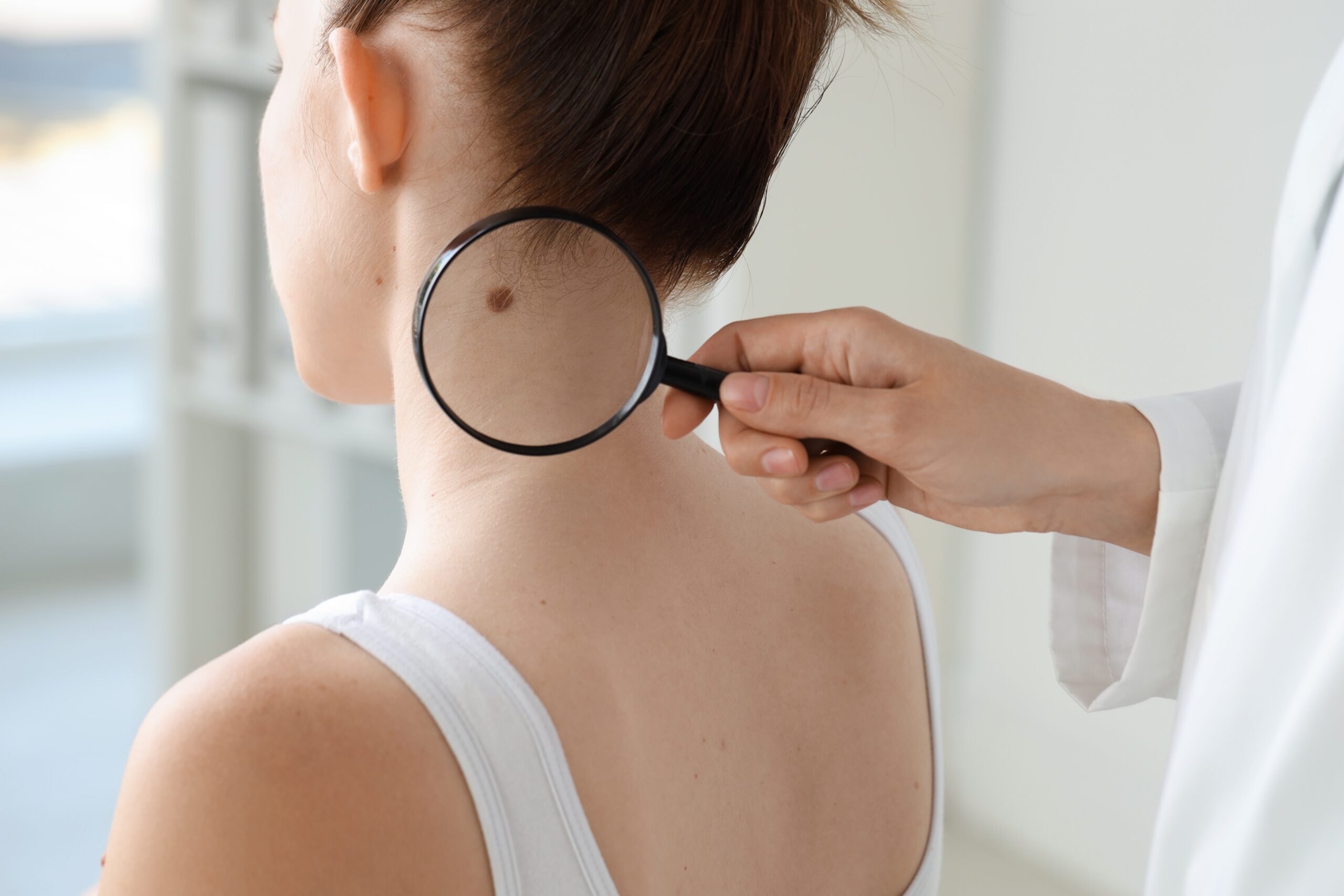
One of the most vital roles medical dermatology plays is in the early detection of skin cancer. Skin cancer is the most commonly diagnosed cancer in the United States, and catching it early significantly improves outcomes.
During a skin cancer screening, a medical dermatologist examines the skin for suspicious lesions, unusual moles, and changes in existing spots. Conditions like basal cell carcinoma and squamous cell carcinoma are highly treatable when identified early. Melanoma, the most serious form of skin cancer, carries a far better prognosis when detected before it spreads.
Harmful UV rays are the primary environmental risk factor for skin cancer, making annual skin cancer screenings and consistent use of broad-spectrum sunscreen essential components of maintaining optimal skin health. Patients with a personal or family history of skin cancer may need more frequent monitoring. Learn more about our approach to skin cancer diagnosis and care.
Achieving Healthy Skin Through Personalized Treatment Plans
One of the most significant advantages of working with a medical dermatologist is the development of personalized treatment plans. Generic skin care advice has limits. Your skin type, skin concerns, and medical history all influence which treatment options will actually work for you.
Personalized treatment plans may combine topical medications, prescription medications, in-office procedures, and a structured skincare routine. The goal is both treating existing conditions and helping you maintain healthy skin over the long term. This tailored approach is especially important for patients with complex or overlapping skin conditions that don’t respond predictably to standard protocols.
Treatment plans also evolve. As your skin responds, your dermatologist adjusts the approach. Long-term skin health requires this kind of ongoing, attentive care rather than a single visit and a one-size prescription.
Medical Dermatology and Skin Health: Beyond Conditions
Medical dermatology also plays a preventive care role that many patients overlook. Maintaining optimal skin health isn’t just about treating problems after they appear. It’s about identifying risk factors, addressing premature aging driven by UV exposure and environmental damage, and building a foundation for healthier-looking skin as you age.
Procedures like chemical peels help improve skin tone, remove dead skin cells, and stimulate collagen production for a more radiant skin appearance. Laser therapy and intense pulsed light treatments can address visible blood vessels, uneven skin tone, and other cosmetic concerns that affect how your skin looks and feels. These options bridge the gap between medical dermatology and cosmetic dermatology, and many patients find that treating underlying skin issues also enhances skin health in ways they hadn’t anticipated.
For patients curious about cosmetic options alongside medical care, treatments like laser treatment, chemical peels, and dermal fillers that restore facial contours are all available through comprehensive dermatology services. Our cosmetic dermatology services complement medical care with options designed to enhance skin health and your skin’s appearance.
Why Choose HMGS Dermatology in Hammonton, NJ?
When it comes to achieving and maintaining optimal skin health, your provider’s credentials and depth of experience matter. HMGS Dermatology brings eight board-certified dermatologists to patients across South Jersey, with locations spanning Burlington, Camden, and Atlantic counties. Our Hammonton, NJ office serves patients throughout the region, including those in Vineland, Egg Harbor Township, and the greater Atlantic County area.
Our physicians hold board certification through the American Board of Dermatology, with additional subspecialty certifications in dermatopathology and pediatric dermatology. They serve as professors and program directors for the Dermatology Residency program at Cooper Medical School of Rowan University, meaning they don’t just practice at the highest level; they train the next generation of dermatologists. With over 620 peer-reviewed publications, our physicians are actively advancing the field alongside caring for patients.
In 2025, Dr. Heymann received the Master Dermatologist Award from the American Academy of Dermatology, one of the most prestigious honors in the specialty. HMGS has also been consistently recognized among Top Doctors by NJ Monthly. Whether you need comprehensive care for a chronic skin condition, a skin cancer screening, or dermatology services that span medical, surgical, and cosmetic care, your skin deserves the caliber of attention our team provides.
Have questions beyond what this guide covers? Our physicians and advanced practice providers can offer personalized guidance based on your individual situation. Contact us online or call (856) 596-0111 to schedule a consultation.
Frequently Asked Questions About Medical Dermatology and Skin Health
How often should I schedule a skin cancer screening?
Most adults benefit from an annual full-body skin cancer screening with a medical dermatologist. Patients with a history of skin cancer, significant sun exposure, or a family history of melanoma may need more frequent monitoring. Your dermatologist will recommend a screening schedule appropriate for your individual risk profile.
What is the difference between a medical dermatologist and a general practitioner for skin concerns?
A medical dermatologist has completed specialized residency training dedicated entirely to diagnosing and treating skin conditions, hair follicle disorders, and nail concerns. This depth of focused training allows for more precise diagnosis, access to a wider range of treatment options, and the development of more nuanced personalized treatment plans than a general practitioner typically provides.
Can medical dermatology help with skin concerns that seem purely cosmetic?
Often, yes. Many cosmetic concerns have an underlying medical component. Rosacea, for example, may cause visible blood vessels and facial redness that appear cosmetic but require medical management. A board-certified dermatologist evaluates both dimensions and can recommend treatment options that address skin health comprehensively. Our cosmetic dermatology services are integrated with medical care for this reason.
What should I expect at my first medical dermatology appointment?
Your first visit typically includes a thorough review of your medical history, current skin care routine, and any active skin issues or concerns. The dermatologist will examine your skin and may perform a skin cancer screening as part of the evaluation. From there, you’ll discuss treatment options and begin developing a personalized plan tailored to your skin type and goals.
Are prescription treatments necessary for chronic skin conditions like eczema or psoriasis?
For many patients with moderate to severe chronic skin conditions, prescription medications provide more effective, sustained relief than over-the-counter treatments alone. The appropriate level of treatment depends on condition severity, how your skin responds, and your overall health. Your medical dermatologist will discuss all available options and recommend an evidence-based approach. Learn more about managing eczema with professional care.
Does medical dermatology address pediatric skin conditions?
Yes. Skin conditions in children often present and behave differently than they do in adults, and they require age-appropriate evaluation and care. HMGS Dermatology includes physicians with subspecialty certification in pediatric dermatology, providing comprehensive care for patients of all ages. Explore our pediatric dermatology services for more information.
How do I maintain healthy skin between dermatology appointments?
A consistent skincare routine, daily broad-spectrum sunscreen use, and avoiding prolonged exposure to harmful UV rays are foundational habits for maintaining healthy skin. Your dermatologist can provide specific guidance based on your skin type and any skin conditions you’re managing. Following your personalized treatment plan between visits is essential for achieving the best long-term outcomes.
Understanding the medical dermatology benefits for skin health is the first step. The next step is connecting with a provider who can evaluate your own skin and build a plan specific to you. Whether you’re managing a chronic condition, concerned about skin cancer, or simply working toward healthier, more radiant skin, the team at HMGS Dermatology in Hammonton, NJ, is here to help. Call us at (856) 596-0111 or schedule a consultation online to get started.
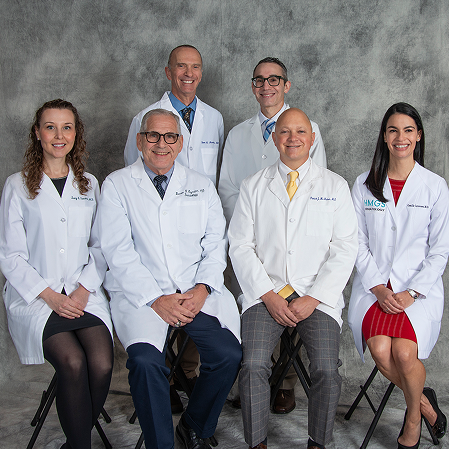
Board Certified Dermatologists and Partners
Dr. Warren Heymann, Dr. Steven Manders, Dr. Justin Green, Dr. Lacy Sommer, Dr. Patrick McMahon, and Dr. Camille Introcaso, MD
The partners of HMGS Dermatology represent some of the most highly trained, accomplished, and respected dermatologists in the region, bringing together decades of expertise across general, pediatric, surgical, and academic dermatology. With education and training from some of the nation’s top institutions—including the University of Pennsylvania, UCSF, Temple, and Rutgers—they are board-certified in multiple subspecialties such as dermatology, pediatric dermatology, and dermatopathology. Many serve as professors and program directors at Cooper Medical School of Rowan University, shaping the future of dermatology through teaching, research, and leadership. Collectively, they have held prestigious roles such as division heads, board directors, and presidents of dermatologic societies, while earning recognition through numerous “Top Doctor” awards and lifetime achievement honors. Whether advancing innovation in pediatric care, cutaneous oncology, or medical education, the HMGS partners are united by their commitment to excellence and providing the highest standard of compassionate, expert skin care to their patients.