


Sports-related skin issues are more common than most athletes realize, and with World Cup excitement bringing players of all ages onto fields across New Jersey, now is the right time to talk about them. Whether you are playing competitive sports, coaching youth leagues, or just out training in the summer heat, your skin takes a real beating. Friction, sweat, sun exposure, shared equipment, and turf contact can all trigger conditions that range from mildly uncomfortable to medically significant. If something on your skin does not look right or keeps coming back, a dermatology expert can help. Contact us at HMGS Dermatology to schedule a visit.
Common Sports-Related Skin Issues Athletes Experience on and off the Field
Athletes are not exempt from skin problems. In fact, the conditions of sport, including heat, sweat, friction, contact, and outdoor exposure, create an environment where skin issues can develop and quickly worsen without proper care.
MRSA Folliculitis and Skin Infections
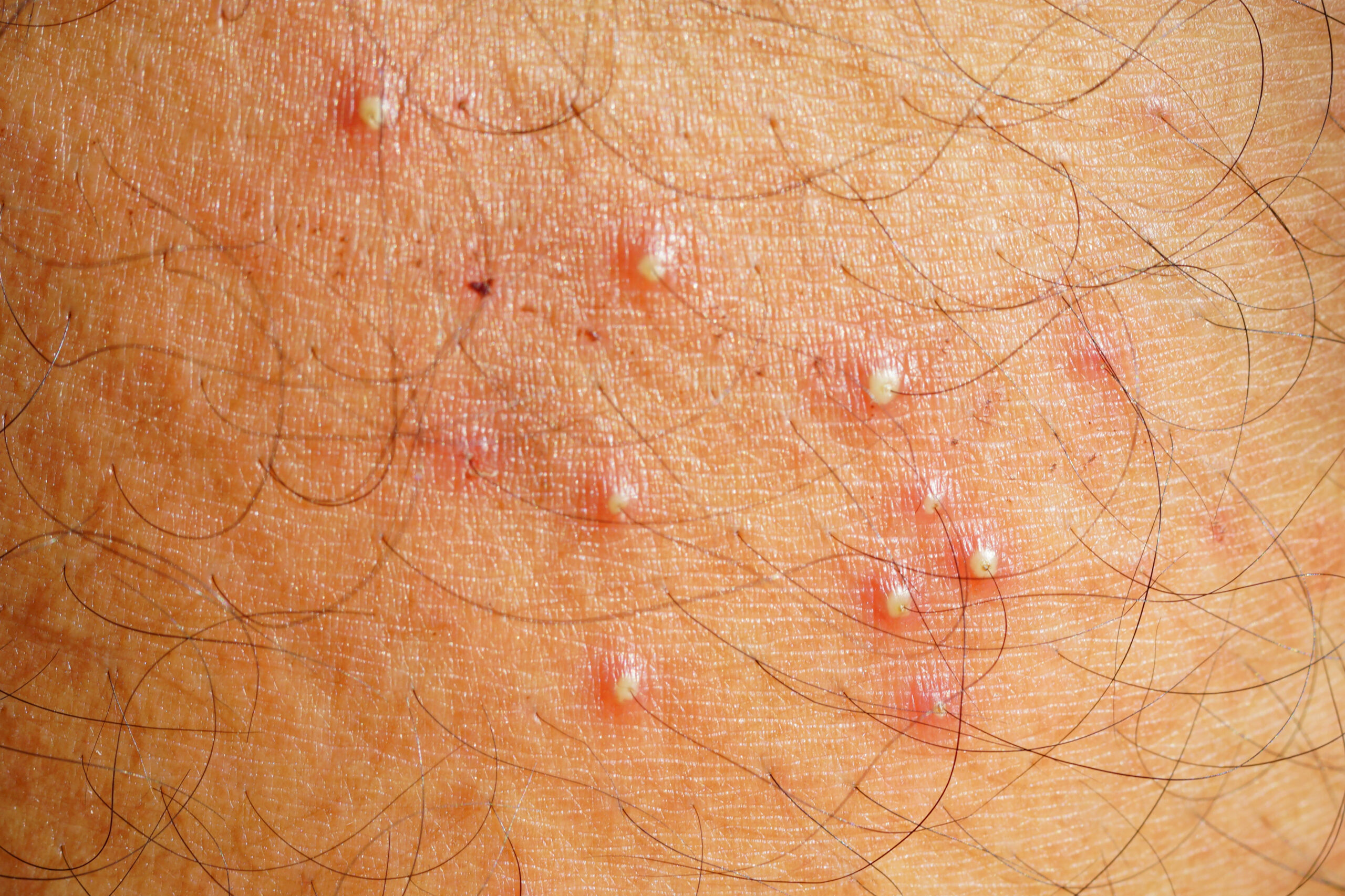
Methicillin-resistant Staphylococcus aureus, or MRSA, is an antibiotic-resistant bacterium that can cause folliculitis, boils, abscesses, and other skin infections. Athletes may be particularly vulnerable because of close physical contact, shared towels and equipment, crowded locker rooms, and cuts or turf abrasions that can allow the bacteria to spread. An infection may initially resemble a pimple or irritated hair follicle, but can become painful, warm, swollen, or filled with pus.
The risks received national attention following a well-known outbreak among the St. Louis Rams professional football team. During the 2003 season, eight MRSA infections developed among five of the team’s 58 players, with each infection occurring at the site of a turf abrasion. This outbreak demonstrated how disrupted skin, shared facilities, and close-contact sports can create opportunities for MRSA transmission, even among professional athletes with access to high-level medical care.
Athletes should keep cuts covered, shower after practices and games, wash uniforms regularly, and avoid sharing towels, razors, or personal equipment. A painful, rapidly worsening, or draining bump should be evaluated promptly. Laboratory testing through cultures can confirm whether MRSA is responsible and guide treatment.
Tinea and Fungal Infections
Fungal skin infections, including athlete’s foot and tinea cruris or “jock itch”, thrive in warm, moist environments. Locker rooms, shared cleats, and sweaty shin guards are all contributing factors. These infections may cause itching, scaling, and redness, and they tend to recur if not treated completely.
Shin Guard Rash in Soccer Players
As World Cup excitement inspires more people to play soccer, athletes and parents should be aware of shin guard dermatitis, commonly called shin guard rash. The combination of sweat, heat, pressure, friction, and prolonged contact beneath a shin guard can produce an itchy, red, or scaly rash. Research suggests that many cases are caused by irritation rather than a true allergy, although sensitivity to materials within the guard can also occur.
Washing the legs and shin guards after each use, allowing the guards to dry completely, and wearing a clean, breathable barrier between the guard and the skin may reduce irritation. Athletes should avoid continuing to wear damaged or frayed guards against an active rash. Because fungal infections, bacterial infections, and eczema can look similar, a persistent or spreading shin rash should be examined by a dermatologist.
Warts from Shared Surfaces
The human papillomavirus spreads easily in communal athletic environments. Think of all thge potential for exposures with barefoot walking around a pool apron or deck. Wart treatments using liquid nitrogen, cantharidin, candida antigen, 5-fluorouracil, and pulse dye laser are available for patients who have struggled to clear plantar or common warts through over-the-counter products. Our board-certified pediatric dermatologists and providers have extensive experience managing stubborn warts in active patients.
Friction Blisters and Chafing
Repetitive movement creates friction, and friction creates blisters. While most blisters resolve on their own, they can become infected, especially in athletes who cannot afford downtime. Proper footwear, moisture-wicking materials, and barrier products can reduce risk, but a dermatologist should evaluate any blister that appears infected or does not heal as expected.
Acne Mechanica
Helmets, shoulder pads, chin straps, and tight athletic wear can trap heat and sweat against the skin, triggering a form of acne called acne mechanica. This condition is common in football players and cyclists, and it may respond well to retinoids or other anti-comedonal therapies.
Folliculitis: A Rash Athletes Should Not Ignore
Folliculitis develops when hair follicles become inflamed or infected, producing small red bumps or pus-filled lesions that can resemble acne. Sweat, friction, tight uniforms, contaminated equipment, and exposure to bacteria can all contribute. Although mild folliculitis may resolve, athletes should seek an evaluation when the rash is painful, spreading, recurring, or accompanied by fever or drainage.
Dr. Green’s Cutis Report: Whirlpool Folliculitis in a Football Player
Dr. Justin J. Green documented an unusual case of localized whirlpool folliculitis in a college football player in the medical journal Cutis. The 20-year-old athlete developed tender red bumps and distinctive light-green pustules on his left leg after receiving a 20-minute hot-whirlpool treatment for an ankle sprain. The rash appeared approximately 24 hours after the treatment and remained limited to the portion of the leg that had been immersed.
The infection was caused by Pseudomonas aeruginosa, a bacterium that thrives in moist environments and may contaminate whirlpools, hot tubs, pools, and other water systems. Most cases of Pseudomonas folliculitis produce a more diffuse rash after recreational water exposure. In Dr. Green’s case, the localized distribution and green color of the pustules made the presentation particularly unusual.
Scratches and abrasions on the player’s legs may have allowed the bacteria to enter the skin more easily. The case highlights an important concern for athletic treatment facilities: therapeutic whirlpools must be properly maintained, especially when used by athletes with damaged skin. Regular water changes, proper chlorine and pH levels, thorough system cleaning, and avoiding whirlpool use over open wounds can help reduce infection risk.
Pseudomonas folliculitis often resolves on its own, as occurred in this case within five days, but treatment decisions depend on the extent of the eruption, whether it recurs, and whether the patient has systemic symptoms or a weakened immune system. Athletes should consult a medical professional rather than attempting to identify the cause of pustules based on appearance alone.
Sun Exposure and Sports-Related Skin Issues That Go Deeper
One of the most underappreciated sports-related skin issues is cumulative sun damage. Athletes who train and compete outdoors, especially in New Jersey’s warm spring and summer months, often accumulate significant UV exposure year after year. This is not just a cosmetic concern.
Actinic Keratoses and Sun Damage
Chronic sun exposure may lead to rough, scaly patches called actinic keratoses. These are considered precancerous lesions, meaning they have the potential to progress to squamous cell carcinoma if left untreated. Athletes who spend years outdoors without adequate sun protection are at elevated risk. Our practice provides thorough evaluation and treatment of sun and actinic damage through our full range of medical dermatology services.
Melanoma Risk in Outdoor Athletes
Research suggests that outdoor athletes, particularly those with a history of sunburns, may face a higher lifetime risk of melanoma. Melanoma is the most serious form of skin cancer, and early detection significantly improves outcomes. Any new or changing mole deserves prompt professional evaluation. Our team performs thorough mole checks and skin cancer screenings to catch concerns early.
Practical Sun Protection for Athletes
Dermatologists recommend broad-spectrum SPF 30 or higher applied generously before outdoor activity, with reapplication every two hours. Sweat-resistant formulas are available and hold up better during active training. UV-protective athletic clothing has also improved significantly and may offer an additional layer of defense. Do not wait for a visible change to start protecting your skin.
A few pro tips. If you are a golfer or tennis/pickleball player, consider wearing sleeves or lightweight long sleeve UPF 30+ clothing. Indoor pickleball is another option for those who like to spend many hours at a time playing. Worse than getting pickled, is developing a skin cancer!
If you are an athlete with a history of significant sun exposure, now is a good time to schedule a full skin check. Contact our team to schedule a consultation with a board-certified dermatologist at a location convenient to you across South Jersey.
Skin Conditions in Athletes That Are Often Misdiagnosed
Some sports-related skin issues are frequently dismissed as minor irritations when they actually warrant closer attention. A few conditions in particular tend to fly under the radar in active patients.
Eczema Flares Triggered by Sweat and Heat
Athletes with eczema/atopic dermatitis often find that training worsens their symptoms. Sweat is a known trigger for eczema flares, and the combination of heat and friction makes post-workout flares common. Advanced eczema treatment options, including biologic therapies, may offer meaningful relief for patients whose condition is not well-controlled with standard approaches.
Hidradenitis Suppurativa and Athletic Chafing
Hidradenitis suppurativa, or HS, is a chronic skin condition that causes painful nodules and abscesses in areas prone to friction and sweating. Athletes with HS often mistake early symptoms for boils or ingrown hairs. The condition is underdiagnosed and can significantly affect quality of life and athletic participation. Our practice has deep experience treating hidradenitis suppurativa, and patients frequently come to us after years of being undertreated elsewhere.
Psoriasis and Exercise
Exercise can be both beneficial and challenging for patients with psoriasis. Physical activity may support overall health and reduce inflammation, but sweat, friction, and certain athletic fabrics can trigger the Koebner phenomenon, where new plaques appear at sites of skin trauma. If your psoriasis is flaring alongside your training schedule, a board-certified dermatologist can help you find a treatment plan that works around your lifestyle. Psoriasis treatment options have expanded significantly in recent years.
Why Choose HMGS Dermatologists in South Jersey?
HMGS Dermatology has been caring for South Jersey families for over 4 decades. We have treated several generations of patients across Burlington, Camden, and Atlantic counties from our three locations in Marlton, Camden, and Hammonton. Our practice is home to eight board-certified dermatologists, including a recipient of the 2025 AAD Master Dermatologist Award, one of the most prestigious honors in the field. We have experience treating competitive high school, college, Olympic and professional athletes.
Our physicians serve as professors and program director for the Dermatology Residency at Cooper Medical School of Rowan University, and our team has contributed to more than 620 peer-reviewed publications. We are not just practicing dermatology. We are actively advancing it. Our advanced practice providers have been educated by some of the most experienced dermatologists in the region. Every patient receives expert care at HMGS Dermatology, regardless of who they see. When sports-related skin issues bring you in, you are in experienced hands. HMGS Dermatologists have won more Top Doc awards in the South Jersey region than any other dermatology group, as recognized by NJ Monthly.
Frequently Asked Questions About Sports-Related Skin Issues
How do I know if a skin issue from sports is serious enough to see a dermatologist?
If a skin condition has persisted, is spreading, is painful, or is affecting your ability to train or compete, it is worth getting evaluated. Athletes should seek more immediate care for rapidly worsening redness, warmth, swelling, pus, fever, or a suspected MRSA infection.
Is every case of folliculitis caused by MRSA?
No. Folliculitis can be caused by several types of bacteria, fungi, irritation, friction, or blocked follicles. Pseudomonas folliculitis is commonly associated with contaminated water, while MRSA is a resistant form of staph that can spread in close-contact athletic environments.
What should I do if shin guards cause a rash?
Remove the shin guards when possible, gently wash and dry the skin, and clean the guards before using them again. A breathable fabric sleeve may reduce direct contact and friction. If the rash is painful, blistering, spreading, draining, or continuing despite these changes, schedule an examination to determine whether it is dermatitis or another skin condition. Our providers can prescribe topical corticosteroids in more severe cases.
Contact Us
Sports-related skin issues deserve the same attention you give to your training, and South Jersey athletes have a trusted resource close to home. Whether you are dealing with a persistent rash, possible folliculitis, an irritated area beneath your shin guards, a suspicious mole, or a chronic condition that flares during your season, the team at HMGS Dermatologists is ready to help. Complete the online contact form to schedule your appointment at a location near you.

Board Certified Dermatologists and Partners
Dr. Warren Heymann, Dr. Steven Manders, Dr. Justin Green, Dr. Lacy Sommer, Dr. Patrick McMahon, and Dr. Camille Introcaso, MD
The partners of HMGS Dermatology represent some of the most highly trained, accomplished, and respected dermatologists in the region, bringing together decades of expertise across general, pediatric, surgical, and academic dermatology. With education and training from some of the nation’s top institutions—including the University of Pennsylvania, UCSF, Temple, and Rutgers—they are board-certified in multiple subspecialties such as dermatology, pediatric dermatology, and dermatopathology. Many serve as professors and program directors at Cooper Medical School of Rowan University, shaping the future of dermatology through teaching, research, and leadership. Collectively, they have held prestigious roles such as division heads, board directors, and presidents of dermatologic societies, while earning recognition through numerous “Top Doctor” awards and lifetime achievement honors. Whether advancing innovation in pediatric care, cutaneous oncology, or medical education, the HMGS partners are united by their commitment to excellence and providing the highest standard of compassionate, expert skin care to their patients.