


Spironolactone might sound like a medication you would only hear about at your primary care appointment, but over the past few years it has become a popular solution in dermatology for women struggling with hormonal acne and hair thinning. Originally developed to treat high blood pressure, this medication works by addressing the hormonal triggers that can contribute to stubborn skin and hair issues.
How Spironolactone Helps With Acne
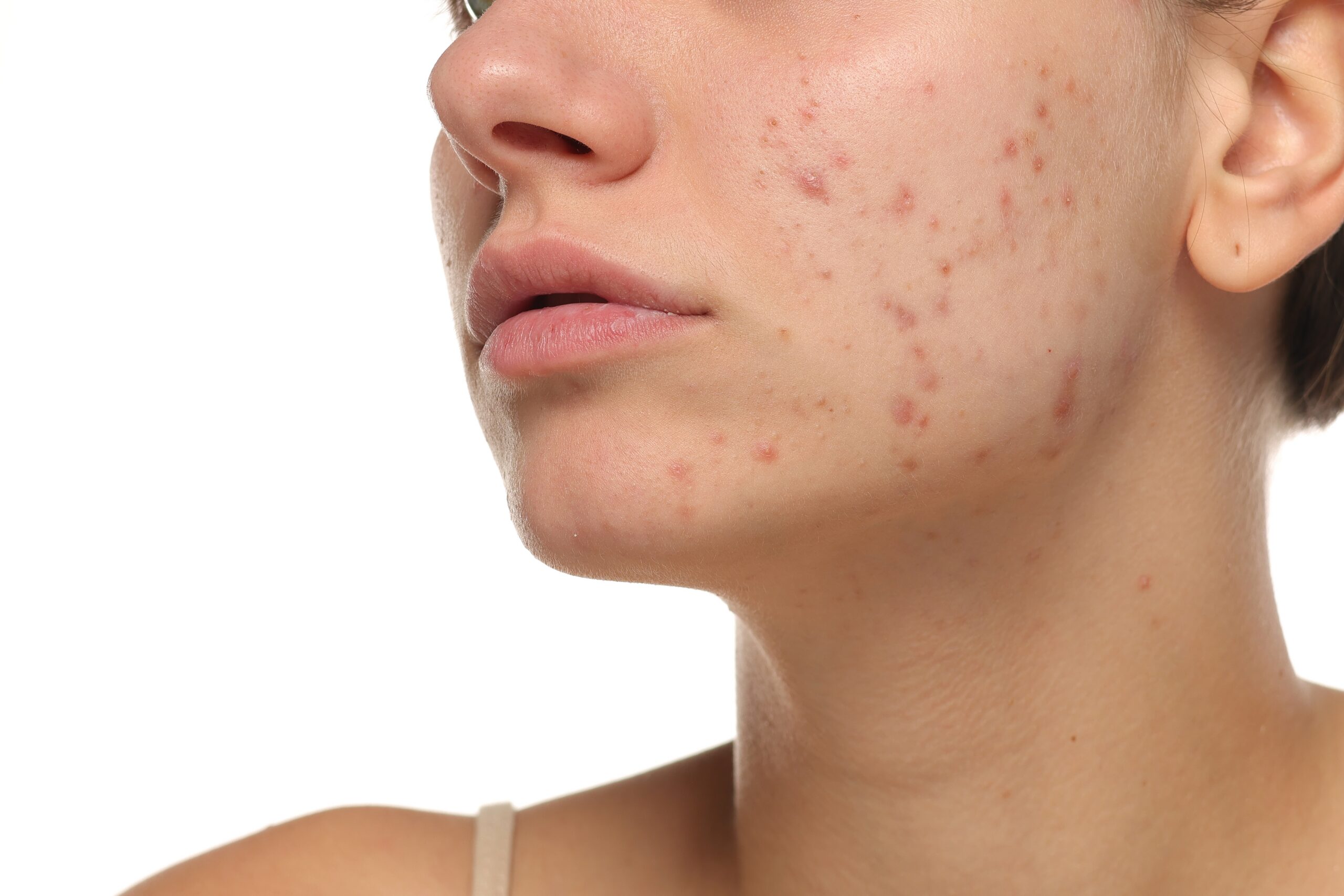
For women experiencing persistent breakouts, spironolactone can help by reducing excess androgen activity, which is often responsible for oily skin and acne flare-ups. Unlike traditional acne medications that target bacteria or inflammation alone, spironolactone addresses the hormonal imbalance that fuels breakouts. Importantly, spironolactone is unrelated to antibiotics or isotretinoin. Many patients notice gradual improvements over several weeks, and it is often combined with topical treatments for enhanced results.
For men and women who prefer to avoid antibiotics and retinoid medications, the topical medication Winlevy (clascoterone) cream 1% is also available. Clascoterone works in a similar way to spironolactone but minimizes the potential for systemic side effects.
Supporting Hair Health
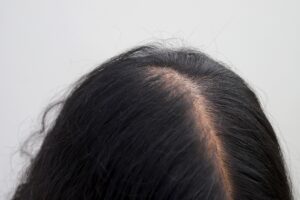
Hair thinning due to androgenic alopecia or polycystic ovarian syndrome (PCOS) is another condition where spironolactone has benefits. By moderating androgen activity, it can slow the progression of hair loss and sometimes even promote new growth. Results are usually visible after a few months, so patience and consistent use are key.
Hidradenitis Suppurativa and Other Skin Concerns
Spironolactone is also sometimes used in women with hidradenitis suppurativa, as part of a treatment plan. While it is not a cure, it can help manage hormonal contributors to inflammation, nodules, drainage and reduce flare-ups. Dermatologists at HMGS Dermatology often personalize treatment plans, combining medication with lifestyle adjustments and topical options to achieve the best outcomes.
What to Expect From Treatment
While spironolactone can be highly effective, it is important to have realistic expectations. Improvement is gradual and usually noticeable after a few weeks to months of consistent use. Side effects are generally mild, but your dermatologist will monitor your health and adjust dosages if necessary. Most patients do not require lab work be performed. The experienced providers at HMGS will assess for possible drug interactions, answer any questions you may have.
Why Consult HMGS Dermatology
At HMGS Dermatology, our goal is to provide science-backed, personalized solutions for skin and hair conditions. We approach each patient with care, focusing on realistic expectations and comprehensive treatment plans. Our providers were early adopters of spironolactone and have immense experience with hormonal treatments in acne, HS, and hair loss. Our Top Docs and expert dermatology providers are here to guide you through the safest and most effective options.
If you are curious about spironolactone or topical alternatives like Winlevy and want to explore a treatment plan tailored to your needs, Book online today to schedule a consultation with our experts.
Board Certified Dermatologists and Partners
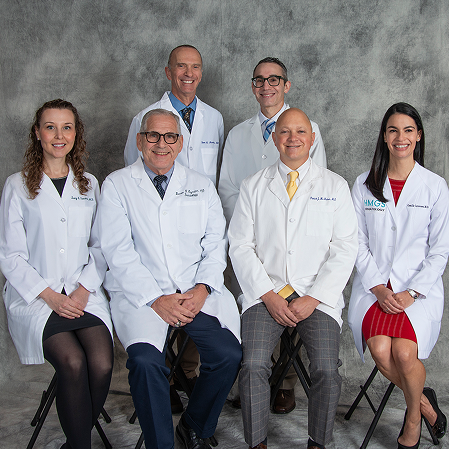
Dr. Warren Heymann, Dr. Steven Manders, Dr. Justin Green, Dr. Lacy Sommer, Dr. Patrick McMahon, and Dr. Camille Introcaso, MD
The partners of HMGS Dermatology represent some of the most highly trained, accomplished, and respected dermatologists in the region, bringing together decades of expertise across general, pediatric, surgical, and academic dermatology. With education and training from some of the nation’s top institutions—including the University of Pennsylvania, UCSF, Temple, and Rutgers—they are board-certified in multiple subspecialties such as dermatology, pediatric dermatology, and dermatopathology. Many serve as professors and program directors at Cooper Medical School of Rowan University, shaping the future of dermatology through teaching, research, and leadership. Collectively, they have held prestigious roles such as division heads, board directors, and presidents of dermatologic societies, while earning recognition through numerous “Top Doctor” awards and lifetime achievement honors. Whether advancing innovation in pediatric care, cutaneous oncology, or medical education, the HMGS partners are united by their commitment to excellence and providing the highest standard of compassionate, expert skin care to their patients.