


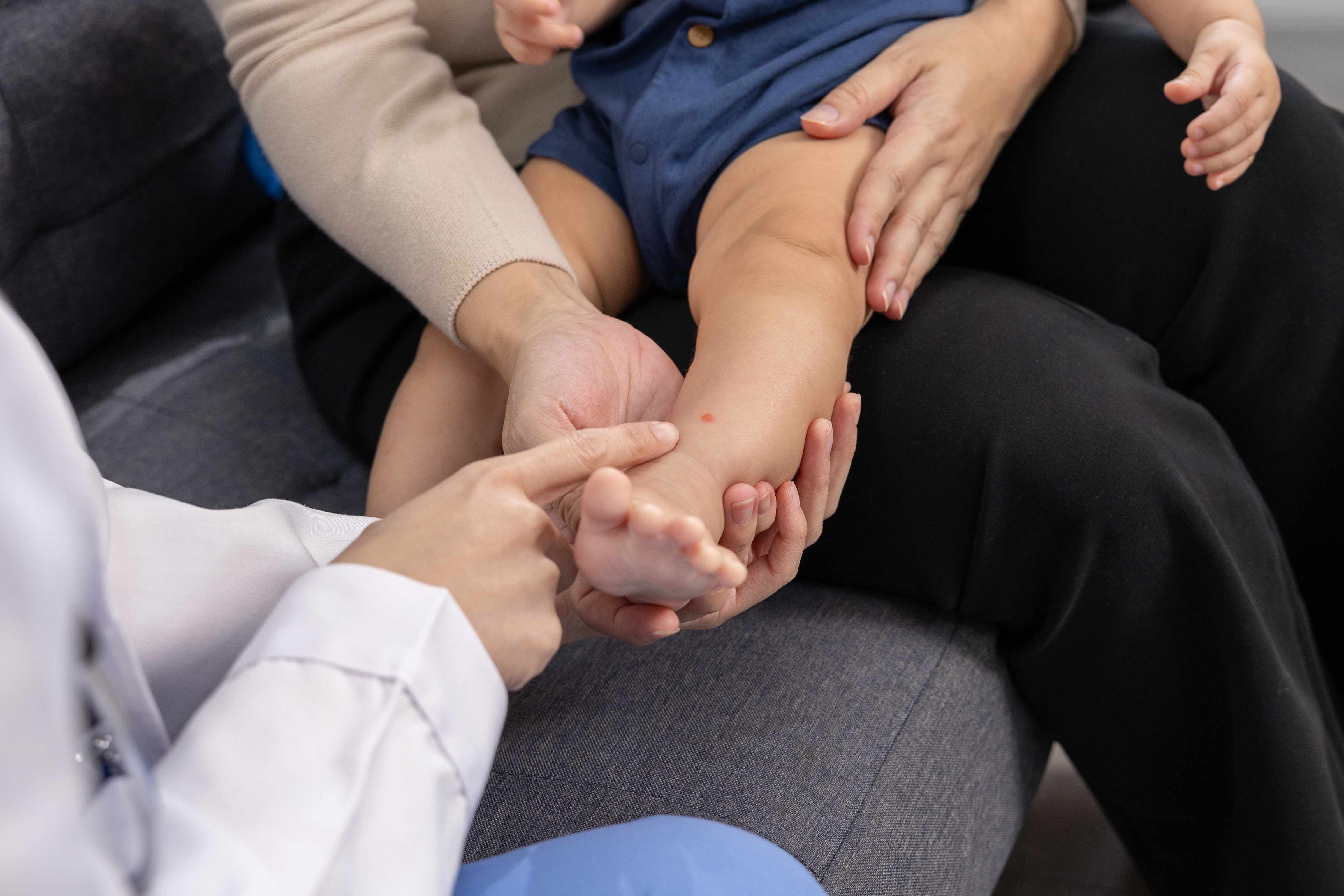
Pediatric dermatology addresses a wide range of skin conditions that affect infants, children, and adolescents, and finding the right care for your child can feel overwhelming when you are not sure where to start. At HMGS Dermatology in South Jersey, our board-certified dermatologists bring subspecialty training in pediatric dermatology to every appointment, so South Jersey families have access to expert-level care close to home. Whether your child has a stubborn rash, a birthmark that needs monitoring, or a chronic condition like eczema or psoriasis, our team is here to help you understand what is happening and what your options are.
What Pediatric Dermatology Covers: Common and Complex Childhood Skin Conditions
Children’s skin responds differently to infections, inflammation, and environmental triggers, and certain conditions appear almost exclusively during childhood. Pediatric dermatology is the branch of dermatology that focuses specifically on diagnosing and managing these concerns across every stage of development, from newborns to teenagers.
Inflammatory and Chronic Skin Conditions
Conditions like eczema (atopic dermatitis) are among the most common reasons families seek a pediatric dermatologist. Eczema often appears in the first year of life and may persist through adolescence if left unmanaged. Psoriasis, though more frequently associated with adults, can present in young children and may require a different treatment approach than adult-onset cases. Our providers also evaluate childhood acne, hidradenitis suppurativa, alopecia areata, vitiligo, and allergic contact dermatitis, conditions that can significantly affect a child’s comfort and confidence.
Neonatal and Congenital Skin Disorders
Newborns frequently develop rashes, birthmarks, and pigmentation changes that may resolve on their own or may require evaluation to rule out underlying conditions. Congenital moles, infantile hemangiomas, vascular birthmarks, and neonatal skin disorders each carry their own considerations, and early assessment matters. Our physicians are trained and experienced in distinguishing benign neonatal findings from presentations that benefit from closer follow-up or collaboration with other specialists.
Infectious and Genetic Conditions
Warts, molluscum contagiosum, impetigo, ringworm, and other tinea infections are common childhood skin infections that respond well to timely treatment. At the more complex end of the spectrum, genetic skin diseases and blistering disorders require the kind of deep familiarity with rare presentations that only comes from years of subspecialty experience.
Is My Dermatologist Board Certified Specifically in Pediatric Dermatology?
Probably not. That is to say, board certified pediatric dermatologists are really uncommon to find in practice. An October 2026 study in Pediatric Dermatology estimates roughly 340 board-certified pediatric dermatologists actively practicing nationwide. To earn subspecialty board certification in pediatric dermatology, a physician must first hold primary certification in general dermatology. They must then complete at least one additional year of accredited fellowship training focused exclusively on children and pass a separate subspecialty board exam. HMGS Dermatology is fortunate to have 4 Board Certified Pediatric Dermatologists on our team. Our Pediatric Dermatology section is led by Dr. Patrick McMahon.
Pediatric Dermatology Treatment: What Families Can Expect at HMGS
When a child comes into HMGS Dermatology, the experience is designed to be as calm and clear as possible, for the child and for the parents. We understand that an anxious six-year-old and an exhausted parent need a different kind of appointment than an adult consultation. Our team takes the time to explain what we are seeing, what it may mean, and what we recommend, in plain language.
A Thorough Evaluation
Every pediatric dermatology visit begins with a careful review of your child’s skin and health history. We want to know when the condition started, how it has changed, what you’ve tried, and how it affects your child’s daily life. This context shapes the entire evaluation. For chronic conditions like eczema, understanding triggers, flare patterns, and prior treatments helps us build a realistic management plan for your family.
Coordinated and Multidisciplinary Care
Some childhood skin conditions require coordination with pediatricians, allergists, or pediatric specialists. Many of our collaborating physicians work at Cooper Norcross Health throughout South Jersey. Our physicians have experience working within multidisciplinary care frameworks, particularly for children whose skin condition may be connected to systemic health concerns. Because HMGS offers comprehensive dermatology services spanning medical, surgical, and subspecialty care, families rarely need referrals elsewhere for dermatologic follow-up. That continuity matters when you are managing a child’s care over months or years.
Plans That Adapt to Change
Pediatric skin conditions often follow unpredictable courses. A child who responds well to one treatment may plateau and need a plan adjustment. Our providers set realistic expectations from the start and schedule follow-up with that evolution in mind. Our goal is always to find the approach that works best for your child’s specific presentation and lifestyle. For families who want to stay informed between visits, our dermatology blog covers a wide range of conditions with the same straightforward voice you will hear in our offices.
Contact Us
If you are searching for pediatric dermatology care in South Jersey, HMGS Dermatology is ready to help your family find answers and a clear path forward. Our board-certified team of experts brings subspecialty expertise, decades of community experience, and a genuine commitment to your child’s skin health. Contact us online to schedule your child’s appointment today.
Board Certified Dermatologists and Partners
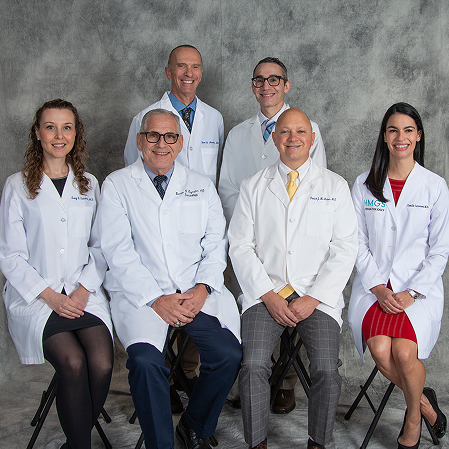
Dr. Warren Heymann, Dr. Steven Manders, Dr. Justin Green, Dr. Lacy Sommer, Dr. Patrick McMahon, and Dr. Camille Introcaso, MD
The partners of HMGS Dermatology represent some of the most highly trained, accomplished, and respected dermatologists in the region, bringing together decades of expertise across general, pediatric, surgical, and academic dermatology. With education and training from some of the nation’s top institutions—including the University of Pennsylvania, UCSF, Temple, and Rutgers—they are board-certified in multiple subspecialties such as dermatology, pediatric dermatology, and dermatopathology. Many serve as professors and program directors at Cooper Medical School of Rowan University, shaping the future of dermatology through teaching, research, and leadership. Collectively, they have held prestigious roles such as division heads, board directors, and presidents of dermatologic societies, while earning recognition through numerous “Top Doctor” awards and lifetime achievement honors. Whether advancing innovation in pediatric care, cutaneous oncology, or medical education, the HMGS partners are united by their commitment to excellence and providing the highest standard of compassionate, expert skin care to their patients.