


Phytophotodermatitis is one of those skin reactions that catches people completely off guard. Imagine you spent a sunny afternoon cutting limes for a cookout, squeezing limes in your beer or margarita, or cut down an overgrown fig tree, and now you have a strange, burning rash in an odd pattern that looks nothing like a typical sunburn. It has a nickname you may have heard: margarita dermatitis. Phytophotodermatitis is a condition that is more common than most people realize, especially during warm-weather months in South Jersey when people are outdoors and handling citrus, celery, and other plant sources. If you are trying to understand what happened to your skin, this guide is for you.
To speak with a HMGS board-certified dermatology provider, contact us for details.
What Causes Phytophotodermatitis and Why It Happens
Phytophotodermatitis is a non-immunologic, chemical reaction. That distinction matters. Unlike allergic contact dermatitis, this reaction does not require prior sensitization and is not driven by your immune system mounting an allergic response. Anyone can develop it under the right conditions.
The trigger is a group of plant-based chemicals called furanocoumarins, also known as psoralens. When these compounds contact your skin and are then exposed to often intense ultraviolet A (UVA) light from the sun, a phototoxic reaction occurs. The psoralens absorb UV energy and transfer it into the skin cells, causing direct cellular damage.
Common Plant Sources
The most frequent culprits include:
-
Limes and lime juice (the most recognized source of margarita dermatitis)
-
Lemons and other citrus fruits
-
Celery and parsnip
-
Wild parsley and cow parsnip
-
Figs and fig leaves
-
Rue and hogweed
The pattern of exposure shapes the pattern of the rash. If lime juice drips down your wrist, the rash will follow that drip line. If you squeezed a lime while wearing a swimsuit, you may see streaky, asymmetric marks on your hands, legs and forearms. That distinctive hyperpigmented streaking and spotting pattern is one of the most reliable clues that phytophotodermatitis, rather than another condition, is responsible. In our practice, we have seen this reaction misidentified as burns, poison ivy, skin infections, melasma, and other forms of hyperpigmentation. A precise diagnosis from an experienced dermatology group can make all the difference. For context on other plant-triggered skin reactions, our page on poison ivy treatment covers how plant exposures affect the skin in different ways.
HMGS Dermatology Sleuthing for Limes in the Sun
The clues that lead to a diagnosis of margarita dermatitis often are the history that preceded the recognition of the pigmentation. Beach vacations, spring breaks, cruises to the Caribbean, trips to the islands, Hawaii, Mexico and Florida are some of the more common vacations where our patients are exposed to intense UVA light + limes. “Were you drinking any cocktails, beers or margaritas on the beach” is one of the first questions we ask when suspecting phytophotodermatitis.
Recognizing the Symptoms of Phytophotodermatitis
Phytophotodermatitis typically develops in two phases, and understanding both helps patients recognize what is happening and seek appropriate care at the right time.
Phase One: Acute Inflammatory Phase
Within 24 to 48 hours of sun exposure following fruit or plant contact, the affected skin may develop redness, swelling, and a burning sensation. Blistering can occur in more significant reactions. The discomfort can range from mild irritation to a deep, painful burn-like sensation. The rash will appear in the precise areas where the plant chemicals made contact with skin, and the borders are often sharp and geometric in a way that does not look like a typical allergic or infectious rash.
Phase Two: Post-Inflammatory Hyperpigmentation
This is the phase that often brings many patients in for evaluation. After the initial inflammation resolves, the affected skin may develop brown or tan hyperpigmentation that can persist for weeks to months. Patients sometimes report that the rash itself felt manageable, but the dark discoloration left behind is what concerns them, especially when it appears on visible areas like the hands, forearms, or neck.
This post-inflammatory hyperpigmentation can look similar to melasma or other forms of sun-induced pigmentation that might occur after a sunburn, which is another reason professional evaluation helps clarify what you are dealing with and what treatment may be appropriate. The pigmentation is not permanent in most cases, but individual results vary based on skin tone, sun exposure habits, and how the skin is managed during recovery.
How Phytophotodermatitis Is Treated and What to Expect
Treatment of phytophotodermatitis depends on which phase the patient is in when they are seen. There is no single protocol that fits every presentation, and management should always be guided by a qualified dermatology provider who can assess the severity and your individual skin characteristics.
Acute Phase Management
During the inflammatory phase, the priority is reducing discomfort and preventing further UV exposure to the affected areas. Cool compresses may help soothe burning. Topical corticosteroids may be recommended to reduce inflammation, depending on severity. In cases with significant blistering or discomfort, your provider may discuss additional options. Sun protection of the affected area is essential during this time, as ongoing UV exposure can worsen the reaction and deepen eventual pigmentation.
Addressing Hyperpigmentation
Once the acute phase resolves, the focus shifts to managing post-inflammatory hyperpigmentation. Broad-spectrum sunscreen use is foundational. Topical treatments such as hydroquinone, azelaic acid, or retinoids may help reduce the appearance of discoloration over time. For patients with more persistent pigmentation, HMGS Dermatology may discuss additional options. Our providers have extensive experience evaluating pigmentation concerns and can help distinguish phytophotodermatitis-related discoloration from other pigmentation conditions that require different approaches. Results vary by individual, and a personalized treatment plan tends to produce the best outcomes.
Patients who are also managing other skin concerns can explore our full range of dermatology services in South Jersey to understand what comprehensive care looks like under one roof.
Why Choose HMGS Dermatology for Phytophotodermatitis and Skin Concerns in South Jersey
HMGS Dermatologists has served South Jersey families for generations, and that depth of community trust is earned, not claimed. With nine board-certified dermatologists and 5 APPs across three locations covering Burlington, Camden, and Atlantic counties, patients throughout the region have access to academic expertise close to home.
What sets this practice apart goes beyond geography? HMGS physicians serve as professors and program directors for the Dermatology Residency at Cooper Medical School of Rowan University. They train the next generation of dermatologists at Cooper Norcross Health, which means their diagnostic standards are built at an academic level. With more than 620 peer-reviewed publications, they are not just practicing dermatology; they are actively shaping it. Dr. Heymann received the 2025 Master Dermatologist Award from the American Academy of Dermatology, one of the most prestigious honors in the specialty.
When you come in with a sometimes enigmatic eruption like phytophotodermatitis, you are in the good hands. You are being evaluated by a team that has seen and published on conditions far beyond the routine. Read more about our physicians on the provider publications page.
Is phytophotodermatitis the same as a sunburn?
No. Phytophotodermatitis is a phototoxic chemical reaction triggered by plant-derived furanocoumarins combined with UV light, not heat or excessive sun exposure alone. A sunburn affects UV-exposed skin more uniformly. Phytophotodermatitis follows the exact pattern of plant contact, often producing streaks or spots, and leaves behind significant post-inflammatory hyperpigmentation that a typical sunburn does not.
How long does the dark pigmentation last after phytophotodermatitis?
Post-inflammatory hyperpigmentation from phytophotodermatitis may persist for several weeks to several months. Individual results vary based on skin tone, ongoing sun exposure, and how early treatment begins. Consistent broad-spectrum sunscreen use can help prevent the discoloration from deepening. HMGS Dermatology can recommend and prescribe topical treatments that may help reduce the appearance of discoloration over time.
Can children develop phytophotodermatitis?
Yes, children can develop phytophotodermatitis, and their cases are sometimes mistaken for other conditions, including contact burns or even physical injury. If your child develops a patterned, streaky rash following outdoor play or citrus exposure, a dermatology evaluation is appropriate. HMGS Dermatologists offer pediatric dermatology care and have subspecialty board certification in pediatric dermatology, so younger patients are seen all day at our practice.
Do I need to see a dermatologist, or will phytophotodermatitis resolve on its own?
Mild cases may resolve without medical treatment, but professional evaluation is worthwhile for several reasons. A dermatologist can confirm the diagnosis, rule out other conditions, and recommend treatment that may reduce the duration and severity of hyperpigmentation. If you are uncertain about what caused your rash or the discoloration is bothersome or persistent, scheduling a consultation with HMGS Dermatology is a sensible next step.
Are people with darker skin tones more impacted by the hyperpigmentation?
Research suggests that individuals with deeper skin tones may experience more pronounced and longer-lasting post-inflammatory hyperpigmentation following phytophotodermatitis, because melanin-rich skin tends to produce more pigment in response to inflammation. This makes early, appropriate treatment especially important. The physicians and APPs at HMGS Dermatology have extensive experience treating patients across all skin tones and are members of the Skin of Color Society, which reflects a specific commitment to inclusive dermatologic care.
Contact Us
If you are dealing with phytophotodermatitis or a skin reaction you cannot explain, the board-certified dermatologists and APPs at HMGS are ready to help. Serving South Jersey patients across Burlington, Camden, and Atlantic counties, our team combines academic-level expertise with the kind of care you would expect from a physician who has treated your family for years. Schedule a consultation with our South Jersey dermatology team or call for details to find the location nearest you.

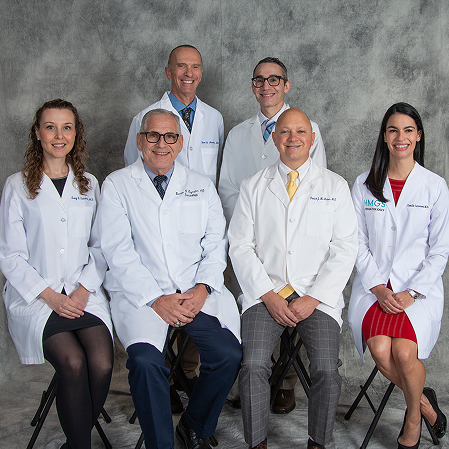
Board Certified Dermatologists and Partners
Dr. Warren Heymann, Dr. Steven Manders, Dr. Justin Green, Dr. Lacy Sommer, Dr. Patrick McMahon, and Dr. Camille Introcaso, MD
The partners of HMGS Dermatology represent some of the most highly trained, accomplished, and respected dermatologists in the region, bringing together decades of expertise across general, pediatric, surgical, and academic dermatology. With education and training from some of the nation’s top institutions—including the University of Pennsylvania, UCSF, Temple, and Rutgers—they are board-certified in multiple subspecialties such as dermatology, pediatric dermatology, and dermatopathology. Many serve as professors and program directors at Cooper Medical School of Rowan University, shaping the future of dermatology through teaching, research, and leadership. Collectively, they have held prestigious roles such as division heads, board directors, and presidents of dermatologic societies, while earning recognition through numerous “Top Doctor” awards and lifetime achievement honors. Whether advancing innovation in pediatric care, cutaneous oncology, or medical education, the HMGS partners are united by their commitment to excellence and providing the highest standard of compassionate, expert skin care to their patients.