


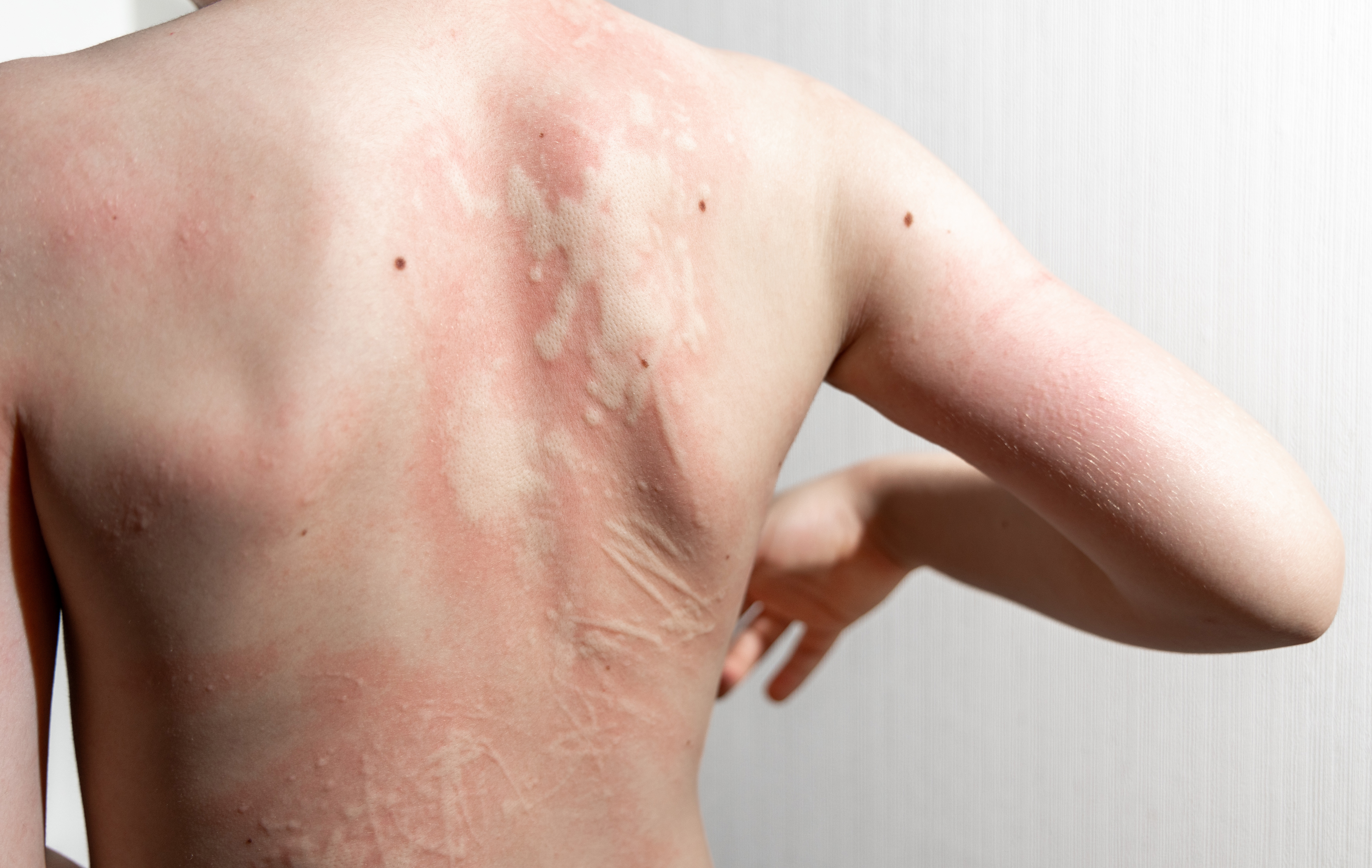
If you have ever noticed raised, red lines or hives appearing on your skin within minutes of scratching, rubbing, or even a light touch from clothing, you may be experiencing dermographism, a condition where the skin responds to minor friction by producing hives and welts. Dermographism (aka dermatographia, dermatographism or skin writing) is a daily source of discomfort that disrupts sleep, work, and quality of life. The good news is that this condition is well understood, treatable, and something the board-certified dermatologists at HMGS Dermatology in South Jersey, have extensive experience managing.
What Is Dermographism and Why Does Your Skin React This Way?
Dermographism literally means “skin writing.” When pressure, scratching, or rubbing triggers histamine release from mast cells just beneath the skin’s surface, it causes a localized response that can look like writing or streaks drawn on the skin. For most people, this reaction fades within 30 to 60 minutes. For others, the welts are more severe, last longer, and cause significant itching and burning.
Dermographism is considered a form of physical urticaria, meaning the trigger is a physical stimulus rather than an allergen or food. It affects roughly 2 to 5 percent of the population, making it one of the more common forms of chronic hives. The condition can appear at any age and often persists for months or years. Stress, heat, tight clothing, and exercise can all make episodes more intense.
Symptomatic Versus Simple Dermographism
Not everyone with skin writing needs treatment. Simple dermatographia produces visible marks without significant discomfort. Symptomatic dermographism, on the other hand, involves notable itching, burning, swelling, and welts that interfere with daily activities. If your dermatographia scratching response is disrupting your routines, that is the form that warrants a conversation with a dermatologist. Our team at HMGS regularly sees patients from across South Jersey who have been living with this for years before realizing standard and targeted treatment is available. For more on how hives are evaluated and managed, visit our page on hives and urticaria treatment in South Jersey.
Dermographism Diagnosis and Treatment Options
Diagnosing dermographism is typically straightforward. A dermatologist will simply apply a firm instrument to exert light pressure to the skin and observe the response. If a raised, itchy welt appears within a few minutes along the pressure path, dermographism is confirmed. No blood work or allergy testing is required in most cases, though a thorough skin evaluation helps rule out other conditions that can mimic the same presentation.
Antihistamines as the First Line of Care
For decades, non-sedating antihistamines have been the standard first-line approach. These medications can help reduce the histamine response that triggers dermographism hives and welts. Many patients find meaningful relief at regular doses, while others require higher doses or combinations of antihistamines for adequate control. Our providers at HMGS work closely with each patient to find the right regimen.
FDA-Approved Treatment for Symptomatic Dermographism
For patients whose dermatographia is not well controlled by antihistamines, there is now a targeted option. In October 2026, the FDA approved Rhapsido (remibrutinib) as the first medication specifically approved for symptomatic dermographism in adults whose condition does not respond adequately to antihistamines. This approval marks a significant shift in how the medical community can address this condition for the patients who need more than conventional therapy. If you have been managing dermographism for years without satisfactory relief, this is a development worth discussing with your HMGS provider. You can also explore current research and clinical perspectives through our provider publications page, which reflects our team’s ongoing contribution to dermatological science.
Individual results may vary, and your provider will help determine whether Rhapsido or another approach is appropriate for your specific situation.
Living With Dermographism: Practical Strategies While You Seek Care
While you are working with a dermatologist to manage dermatographia hives and welts, some everyday adjustments may help reduce the frequency and severity of flares. These strategies do not replace medical treatment, but they can support your overall skin health between appointments.
Clothing and Fabric Choices
Tight waistbands, rough seams, synthetic fabrics, and anything that creates repeated friction on the skin can trigger dermatographia welts. Loose-fitting clothing in soft natural fibers like cotton may help reduce daily irritation for many patients.
Temperature and Stress Management
Heat and emotional stress are well-recognized factors that can intensify the scratching-triggered hives response. Keeping shower water at a moderate temperature, avoiding vigorous towel rubbing, and incorporating stress-reduction habits may help reduce flare frequency.
Avoid Scratching the Itch Cycle
This sounds straightforward, but it matters. Scratching increases pressure on the skin, triggering more histamine release and more itching. Breaking this cycle with cool compresses or topical relief recommended by your dermatologist can make a real difference. Our team also manages a wide range of related skin conditions, including chronic itch and pruritus and eczema, which can sometimes overlap with dermographism symptoms.
Contact Us
If dermographism is affecting your daily life in South Jersey, or anywhere across South Jersey, the board-certified dermatologists and APPs at HMGS Dermatology are here to help. With a first-ever FDA-approved treatment now available for qualifying patients, there has never been a better time to seek answers. Schedule a consultation online today.
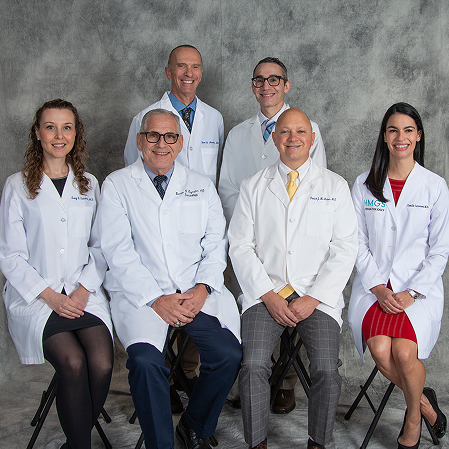
Board Certified Dermatologists and Partners
Dr. Warren Heymann, Dr. Steven Manders, Dr. Justin Green, Dr. Lacy Sommer, Dr. Patrick McMahon, and Dr. Camille Introcaso, MD
The partners of HMGS Dermatology represent some of the most highly trained, accomplished, and respected dermatologists in the region, bringing together decades of expertise across general, pediatric, surgical, and academic dermatology. With education and training from some of the nation’s top institutions—including the University of Pennsylvania, UCSF, Temple, and Rutgers—they are board-certified in multiple subspecialties such as dermatology, pediatric dermatology, and dermatopathology. Many serve as professors and program directors at Cooper Medical School of Rowan University, shaping the future of dermatology through teaching, research, and leadership. Collectively, they have held prestigious roles such as division heads, board directors, and presidents of dermatologic societies, while earning recognition through numerous “Top Doctor” awards and lifetime achievement honors. Whether advancing innovation in pediatric care, cutaneous oncology, or medical education, the HMGS partners are united by their commitment to excellence and providing the highest standard of compassionate, expert skin care to their patients.