


Whether you are concerned about sun damage, uneven skin tone, acne, or the early signs of aging, a chemical peel performed under dermatologist supervision may help address a range of skin concerns safely and effectively. At HMGS Dermatologists, our eight board-certified dermatologists bring decades of combined experience, more than 620 peer-reviewed publications, and a legacy of treating several generations of South Jersey families. You deserve answers from people who truly know skin.
Ready to talk with a specialist? Contact us to schedule a consultation at our Hammonton, NJ location.
Frequently Asked Questions About Chemical Peels in Hammonton, NJ
What is a chemical peel and how does it work?
A chemical peel is a skin resurfacing treatment in which a carefully selected acidic solution is applied to the skin to remove damaged outer layers and encourage cell renewal. As the treated skin exfoliates over several days, fresher, smoother skin emerges in its place. Peels are available in superficial, medium, and deep strengths, and your dermatologist will recommend the appropriate depth based on your skin type, tone, and specific concerns.
What skin concerns can a chemical peel help address?
Chemical peels may help reduce the appearance of fine lines, uneven skin tone, acne and post-acne marks, melasma, and sun damage and actinic damage. Superficial peels are often used to refresh dull or congested skin, while medium-depth peels may be more appropriate for addressing pigmentation irregularities or textural changes. Your board-certified dermatologist will evaluate your skin thoroughly before recommending any treatment approach. Individual results may vary based on skin type, depth of concern, and overall skin health.
What are the different types of chemical peels available?
The three primary categories are superficial, medium-depth, and deep peels. Superficial peels, often using alpha-hydroxy acids such as glycolic or lactic acid, treat the outermost skin layer with minimal downtime for most patients. Medium-depth peels, commonly using trichloroacetic acid (TCA), penetrate further and may better address moderate pigmentation or textural issues. Deep peels, such as phenol-based treatments, reach the deeper dermis and typically require more recovery time. A dermatologist evaluation is essential for determining which type is appropriate for your individual skin profile.
Am I a good candidate for a chemical peel?
Many adults with concerns about skin texture, tone, acne scarring, or mild to moderate signs of aging may be good candidates for a chemical peel, but candidacy depends on several factors including skin type, Fitzpatrick skin tone, current medications, and any underlying skin conditions. Patients with active infections, open wounds, or certain inflammatory skin conditions may need to postpone treatment. A consultation with one of our board-certified dermatologists is the most reliable way to determine whether a chemical peel is the right option for your skin. Our cosmetic dermatology services are tailored to each individual patient.
Who is not a good candidate for a chemical peel?
Patients who are pregnant, nursing, or have recently used certain acne medications such as isotretinoin may need to wait before undergoing a peel. Those with a history of abnormal scarring, keloids, or certain pigmentation disorders should discuss their history openly during a consultation. Very dark skin tones require careful peel selection to reduce the risk of post-inflammatory hyperpigmentation. This is precisely why having a board-certified dermatologist, rather than a non-physician provider, evaluate your skin before any peel is so important.
What should I expect during a chemical peel appointment?
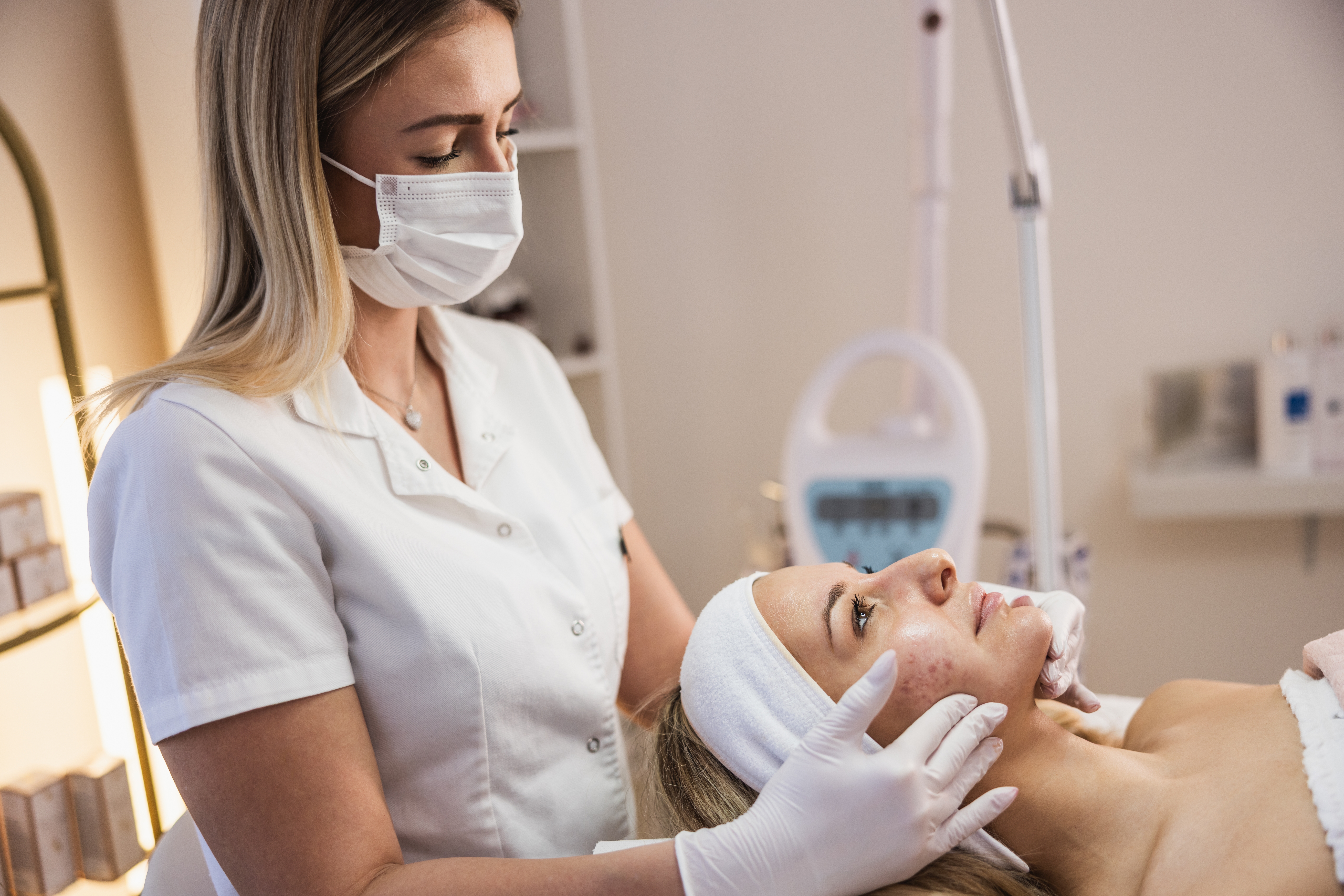
Your appointment will typically begin with a thorough skin evaluation and cleansing of the treatment area. The peel solution is then applied and left on for a specified time before being neutralized or removed. You may feel a mild tingling or warming sensation during the application, and superficial peels are generally well-tolerated by most patients. The appointment itself is usually completed within 30 to 60 minutes depending on the type of peel. Your provider will give you detailed aftercare instructions before you leave the office, including sun protection guidance.
How long does recovery take after a chemical peel?
Recovery time varies by peel depth. Superficial peels typically involve mild redness or flaking for a few days, with minimal downtime for most patients. Medium-depth peels may result in more noticeable peeling and redness lasting five to seven days. Deep peels require the most recovery, often two weeks or longer, and are only appropriate in select clinical situations. Regardless of peel type, diligent sun protection after treatment is essential to protect the new skin and support the best possible outcome. Individual results may vary.
How long do the results of a chemical peel last?
Results depend on the depth of peel, the concern being addressed, and how well you maintain your skin afterward. Superficial peels often provide a refreshed appearance that may last weeks to a few months, and many patients incorporate them into a regular skin care routine. Medium and deep peels may produce longer-lasting improvements in texture and pigmentation, though ongoing sun protection and a dermatologist-recommended skincare regimen are important for maintaining results. Individual results may vary. Your dermatologist can help set realistic expectations during your consultation.
Do you see patients from nearby areas outside of Hammonton, NJ?
Yes. HMGS Dermatologists serves patients throughout Atlantic, Burlington, and Camden counties, with three locations spanning South Jersey. Many of our chemical peel patients travel from communities throughout the region to receive care from our team of eight board-certified dermatologists. Whether you are coming from nearby towns in Atlantic County or from across South Jersey, our Hammonton location offers convenient access to physician-supervised cosmetic and medical dermatology services. You can review your options and reach out to schedule a consultation at the location most convenient for you.
What makes HMGS Dermatologists different for chemical peel treatments in Hammonton, NJ?
HMGS Dermatologists brings a level of academic and clinical depth that is genuinely rare for a private practice in South Jersey. Our physicians include a 2025 Master Dermatologist Award recipient from the American Academy of Dermatology, faculty who train residents at Cooper Medical School of Rowan University, and a team collectively responsible for more than 620 peer-reviewed publications. Our advanced practice providers are trained and supervised in-house by our physicians. When you receive a chemical peel here, it is part of a physician-led care standard that goes well beyond most cosmetic treatment settings. You can explore more about our team through our provider publications.
How much does a chemical peel cost?
The cost of a chemical peel varies depending on the type of peel selected, the areas being treated, any preparatory skin care products recommended, and the number of sessions involved. Because the appropriate peel type is determined individually, it is not possible to provide a general price without an evaluation. We encourage patients to schedule a consultation so that a board-certified dermatologist can assess your skin, recommend the right approach, and review all associated costs clearly before any treatment begins. Transparency is something we take seriously at every step.
Is a chemical peel safe for all skin tones?
Chemical peels can be performed safely across a range of skin tones, but the type and depth of peel must be chosen carefully for patients with medium to deep skin tones to reduce the risk of post-inflammatory hyperpigmentation or uneven results. This is one of the most important reasons why a board-certified dermatologist should evaluate your Fitzpatrick skin type before any peel is administered. Our team has extensive experience treating diverse skin tones throughout South Jersey. If you are also managing a pigmentation condition such as melasma, your dermatologist can coordinate your peel plan with your broader treatment approach.
Why Choose HMGS Dermatologists for Chemical Peels in Hammonton, NJ?
When you choose HMGS Dermatologists for a chemical peel, you are not walking into a spa or a med suite staffed by non-physicians. You are being evaluated and treated within a practice that includes eight board-certified dermatologists, a 2025 AAD Master Dermatologist Award recipient, and faculty physicians who train the next generation of dermatologists at Cooper Medical School of Rowan University. We have treated several generations of South Jersey families across three county locations. Our team has authored more than 620 peer-reviewed publications, and our advanced practice providers work under direct physician supervision. That depth of expertise informs every treatment decision we make, including chemical peel selection and patient safety. You can also read what patients have said about us by visiting our patient reviews page.
Schedule Your Chemical Peel Consultation in Hammonton, NJ
If this chemical peels FAQ has answered your initial questions, the next step is a one-on-one conversation with a board-certified dermatologist who can evaluate your skin and recommend the right approach. HMGS Dermatologists is proud to serve Hammonton, NJ and all of South Jersey. Call us today or contact us online to request your consultation. You can also visit our patient forms page to prepare in advance.
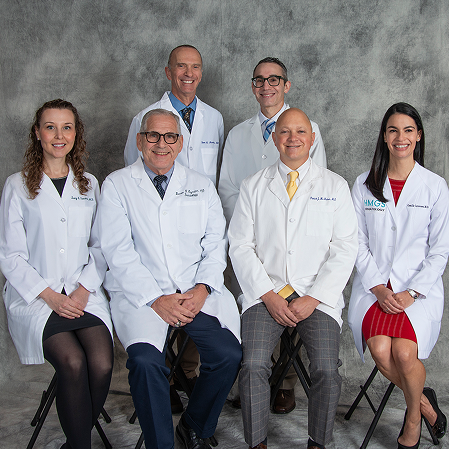
Board Certified Dermatologists and Partners
Dr. Warren Heymann, Dr. Steven Manders, Dr. Justin Green, Dr. Lacy Sommer, Dr. Patrick McMahon, and Dr. Camille Introcaso, MD
The partners of HMGS Dermatology represent some of the most highly trained, accomplished, and respected dermatologists in the region, bringing together decades of expertise across general, pediatric, surgical, and academic dermatology. With education and training from some of the nation’s top institutions—including the University of Pennsylvania, UCSF, Temple, and Rutgers—they are board-certified in multiple subspecialties such as dermatology, pediatric dermatology, and dermatopathology. Many serve as professors and program directors at Cooper Medical School of Rowan University, shaping the future of dermatology through teaching, research, and leadership. Collectively, they have held prestigious roles such as division heads, board directors, and presidents of dermatologic societies, while earning recognition through numerous “Top Doctor” awards and lifetime achievement honors. Whether advancing innovation in pediatric care, cutaneous oncology, or medical education, the HMGS partners are united by their commitment to excellence and providing the highest standard of compassionate, expert skin care to their patients.