


When it comes to lupus, sarcoidosis, and dermatomyositis, one of the most common questions patients ask will be “Is this just a skin problem, or is it something more?” Truthfully, it can be both. These three conditions are systemic autoimmune and inflammatory diseases, but all three can present on the skin first, which means a dermatologist is often the first specialist to diagnose these diseases. Understanding how each condition presents on the skin, and what to do next, can make a meaningful difference in how quickly patients get the answers they need.
How Lupus, Sarcoidosis, and Dermatomyositis Present on the Skin
Each condition has distinct cutaneous characteristics that experienced dermatology providers can recognize. There can be clinical clues pointing toward deeper systemic involvement.
Lupus
Lupus can produce a range of skin findings. The classic butterfly-shaped rash across the cheeks and nose, known as a malar rash, is among the most recognized. Patients may also develop photosensitive rashes triggered by sun exposure, oral ulcers, alopecia, annular, psoriasis-like lesions and discoid plaques with pigmentary change. Cutaneous lupus can present as acute, subacute and/or chronic lupus eythematosus. A dermatologist experienced in autoimmune conditions can help clarify which form a patient may have. Skin biopsies and lab work greatly improve diagnostic accuracy. Our providers, who contribute to over 620 peer-reviewed publications and train residents at Cooper Medical School of Rowan University, bring academic-level expertise to these complex evaluations.
Sarcoidosis
Sarcoidosis is an inflammatory disease characterized by granuloma formation, and roughly 25 percent of patients develop skin involvement. Findings may include red-brown papules and plaques, often on the face or around scars. Lupus pernio affects the nose and cheeks, and might point to systemic disease. Because these findings can mimic other conditions, a skin biopsy reviewed by a dermatopathologist is often essential to confirm the diagnosis. HMGS Dermatologists have published articles and book chapters on sarcoidosis.
Dermatomyositis
Dermatomyositis is an inflammatory skin and muscle disease with charactetistic skin involvement. Heliotrope discoloration around the eyelids, Gottron’s papules over the knuckles, and a shawl-sign rash across the upper back and shoulders are hallmark findings. Importantly, dermatomyositis in adults can be associated with underlying malignancy, which makes prompt, thorough evaluation especially important when these skin symptoms appear. For context on how we evaluate complex inflammatory rashes, our dermatology blog covers a range of medically substantive topics.
The Overlap Between Skin Symptoms and Systemic Disease
One of the most important things to understand about lupus, sarcoidosis, and dermatomyositis is that the skin findings and the internal disease do not always progress in parallel. A patient may have significant cutaneous lupus with minimal systemic involvement, or they may present with subtle skin changes that turn out to be the first indication of serious organ involvement.
Why the Dermatologist Often Comes First
Because these skin findings are visible and often distressing, many patients make their first appointment with a dermatologist rather than a rheumatologist or internist. A skilled dermatology provider can perform a skin biopsy, identify characteristic histologic patterns, and initiate or coordinate the diagnostic workup that connects cutaneous findings to potential systemic disease. From there, the patient’s care may expand to include rheumatology, pulmonology, nephrology, or oncology depending on what the evaluation reveals.
Conditions That Can Mimic These Diagnoses
Psoriasis, eczema, allergic contact dermatitis, rosacea, and even cutaneous T-cell lymphoma can all produce rashes that overlap visually with lupus, sarcoidosis, or dermatomyositis. That is why pattern recognition, paired with biopsy and clinical correlation, matters so much. Patients should not rely on AI or photographs alone to identify these conditions. Our team has diagnosed and managed inflammatory skin conditions across several generations of South Jersey families, and that experience is directly relevant when a rash doesn’t fit a simple explanation.
What to Expect During Your Evaluation for Autoimmune Skin Symptoms
Patients presenting with lupus, sarcoidosis, or dermatomyositis skin symptoms can expect a structured, methodical evaluation rather than a rushed appointment. Understanding what happens during this process may help ease the anxiety that often accompanies uncertain or unusual skin changes.
The Diagnostic Workup
A thorough history is the starting point, including sun sensitivity, joint symptoms, muscle weakness, fatigue, and any family history of autoimmune disease. The dermatology provider will examine the skin carefully and may recommend a punch biopsy of representative lesions. Depending on the clinical picture, the dermatologist may also order laboratory testing, including antinuclear antibody (ANA) panels, complement levels, and muscle enzyme studies. Patients whose biopsies reveal granulomatous inflammation consistent with sarcoidosis may need chest imaging to evaluate for pulmonary involvement. Those with findings suggestive of dermatomyositis may be referred for age-appropriate cancer screening.
Managing Skin Symptoms While the Workup Proceeds
Skin-directed therapy may be initiated while a broader systemic workup is underway. Topical corticosteroids, antimalarials such as hydroxychloroquine, and sun-protection strategies are commonly discussed in managing cutaneous lupus. Sarcoidosis skin lesions may respond to topical or intralesional steroids. Dermatomyositis skin symptoms may be managed with sun avoidance, topical agents, and systemic medications coordinated with other specialists. In August 2026, the FDA approved brepocitinib (Lisraya) for adults with dermatomyositis, a rare and debilitating disease in which the immune system attacks muscle and skin. Brepocitinib is the first oral therapy FDA approved for dermatomyositos. Previously, doctors have used steroids, intravenous immunoglobulin (IVIG) infusions, and other steroid-sparing agents approved for other autoimmune conditions to treat dermatomyositis.
Patients managing complex inflammatory skin conditions should also know that our full scope of dermatology services across South Jersey is available across our three locations in Burlington, Camden, and Atlantic counties.
Why Choose HMGS Dermatology in South Jersey?
HMGS Dermatology is not a typical private practice, and that distinction matters most when conditions like lupus, sarcoidosis, and dermatomyositis are on the table. Our board-certified dermatologists are certified by the American Board of Dermatology, some with subspecialty expertise in dermatopathology and pediatric dermatology. Our knowledgeable APPs are often managing and working up complex cases such as those with autoimmune disease. Contact us to schedule a consultation and speak with a provider.
Frequently Asked Questions
Can a dermatologist diagnose lupus, sarcoidosis, or dermatomyositis without a rheumatologist?
A dermatologist can often identify the cutaneous features of these conditions and confirm findings through skin biopsy. However, because all three conditions may involve internal organs, your dermatologist may coordinate care with a rheumatologist, pulmonologist, or other specialist depending on what the evaluation reveals. The dermatologist is frequently the first provider to recognize these diagnoses and initiate the broader workup.
What does a lupus skin rash actually look like, and how is it different from rosacea?
Both conditions can produce redness across the cheeks and nose, which is why they are frequently confused. Lupus rashes, particularly the malar butterfly rash, tend to spare the nasolabial folds, while rosacea typically involves them. Lupus skin findings may also include photosensitivity, scarring plaques, and changes not typically seen in rosacea. A biopsy and clinical evaluation can help clarify the diagnosis when the presentation is ambiguous.
Is sarcoidosis a skin disease or a lung disease?
Sarcoidosis is a systemic inflammatory disease that can affect multiple organs, most commonly the lungs and lymph nodes. Skin involvement occurs in roughly one in four patients and may appear as red-brown papules, nodules, or plaques. These skin findings matter because they are accessible for biopsy, making them a valuable diagnostic entry point. A skin biopsy showing non-caseating granulomas is often a key step in confirming the diagnosis.
How urgent is it to see a dermatologist if I suspect dermatomyositis?
Prompt evaluation is advisable. Dermatomyositis skin symptoms, particularly in adults, can be associated with an underlying malignancy in a meaningful percentage of cases. Early identification allows for timely cancer screening and appropriate referrals. If you notice heliotrope discoloration around the eyelids, flat, reddened papules over the knuckles, or a rash across the upper back or shoulders, schedule an evaluation without delay. Individual results may vary based on each patient’s clinical presentation and overall health profile.
Does HMGS Dermatology utilize the most advanced medications?
HMGS Dermatology providers prescribe the latest in biologics and advanced oral therapies. Between inpatient consults at Cooper Norcross Health and outpatient clinics in Camden, Marlton, and Hammonton, our providers see it all. Cases of lupus, sarcoidosis, and dermatomyositis are frequently encountered at our offices. We even see the rare stuff-lupus panniculitis, sarcoidosis within tattoos, immunostimulant induced dermatomyositis, and more.
Schedule Your Evaluation at HMGS Dermatology
If you are experiencing lupus, sarcoidosis, or dermatomyositis skin symptoms in South Jersey, HMGS Dermatology is here to help you find answers. Our board-certified team brings decades of clinical experience, academic-level expertise, and genuine commitment to every appointment. Contact us online to request a consultation.
Board Certified Dermatologists and Partners
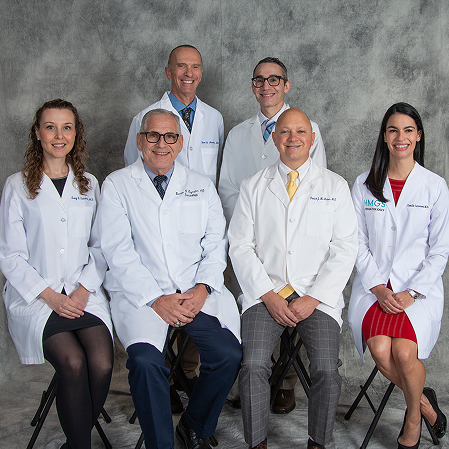
Dr. Warren Heymann, Dr. Steven Manders, Dr. Justin Green, Dr. Lacy Sommer, Dr. Patrick McMahon, and Dr. Camille Introcaso, MD
The partners of HMGS Dermatology represent some of the most highly trained, accomplished, and respected dermatologists in the region, bringing together decades of expertise across general, pediatric, surgical, and academic dermatology. With education and training from some of the nation’s top institutions—including the University of Pennsylvania, UCSF, Temple, and Rutgers—they are board-certified in multiple subspecialties such as dermatology, pediatric dermatology, and dermatopathology. Many serve as professors and program directors at Cooper Medical School of Rowan University, shaping the future of dermatology through teaching, research, and leadership. Collectively, they have held prestigious roles such as division heads, board directors, and presidents of dermatologic societies, while earning recognition through numerous “Top Doctor” awards and lifetime achievement honors. Whether advancing innovation in pediatric care, cutaneous oncology, or medical education, the HMGS partners are united by their commitment to excellence and providing the highest standard of compassionate, expert skin care to their patients.