


JAK inhibitors (JAKi) in dermatology represent one of the most significant shifts in how dermatologists approach chronic inflammatory skin conditions. If you’ve been living with eczema, psoriasis, vitiligo, alopecia areata, or hidradenitis suppurativa and haven’t found lasting relief with older therapies, you may have heard about this class of medications from your provider or through your own research. This guide explains what JAK inhibitors are, how they work, which conditions they may help, and what questions to ask at your next appointment.
What Are JAK Inhibitors and How Do They Work in Dermatology?
JAK stands for Janus kinase, a family of enzymes that play a central role in the signaling pathways responsible for inflammation. When the immune system sends inflammatory signals through proteins called cytokines, those signals travel through JAK enzymes before triggering the cellular response that causes symptoms like itching, redness, and skin barrier breakdown. JAK inhibitors selectively block one or more of these enzymes, interrupting the inflammatory cascade before it reaches the skin.
There are four JAK enzymes: JAK1, JAK2, JAK3, and TYK2. Different medications in this class target different combinations. That selectivity matters because it shapes each drug’s therapeutic effect and side-effect profile.
Topical vs. Oral JAKs
JAK inhibitors in dermatology are available in multiple delivery formats. Ruxolitinib cream (brand name Opzelura) is FDA-approved for atopic dermatitis in patients 2 and older and for non-segmental vitiligo in patients 12 and older. Oral agents include upadacitinib (Rinvoq), which is FDA-approved for moderate to severe atopic dermatitis in adults and adolescents 12 and older, and abrocitinib (Cibinqo), also approved for moderate to severe atopic dermatitis. Deucravacitinib (Sotyktu), a selective TYK2 inhibitor, is FDA-approved for moderate to severe plaque psoriasis and psoriatic arthritis. Delgocitinib (Anzupgo) received FDA approval for chronic hand eczema in adults. There are three JAK inhibitors FDA approved for alopecia areata-Ritlicinib (Litfulo) , Baricitinib(Oluminat), and Deuruxolitinib(Leqselvi). Each medication has its own specific approved indication, dosing schedule, and monitoring requirements. Your dermatologist will determine which option, if any, fits your individual situation.
Our physicians at HMGS Dermatology follow the research in this space closely. With over 620 peer-reviewed publications across the practice, the physicians here not only treat patients with these therapies but also contribute to the clinical literature that shapes how dermatologists use them.
Which Dermatologic Conditions May Benefit from JAK Inhibitor Therapy?
The range of conditions for which JAK inhibitors are being studied or have received FDA approval continues to expand. Understanding which conditions have approved options and which are still investigational helps patients have more informed conversations with their provider.
Atopic Dermatitis (Eczema)
This is one of the most established areas of JAK inhibitor use in dermatology. Patients with moderate to severe eczema who have not responded adequately to topical corticosteroids or other therapies may be candidates for oral JAK inhibitors like Rinvoq or Cibinqo, or topical ruxolitinib for milder cases meeting the approved profile. Research suggests these agents may significantly reduce itch and skin inflammation.
Psoriasis
Deucravacitinib offers a newer oral option for adults with moderate to severe plaque psoriasis. If you’ve been exploring options for psoriasis treatment in South Jersey, JAK and TYK2 inhibitors represent a meaningful addition to the treatment landscape alongside biologics and traditional systemic therapies.
Vitiligo
Ruxolitinib cream (Opzelura) is the first and only FDA-approved cream specifically indicated to help repigment skin in non-segmental vitiligo. Clinical trial data suggests it may help restore color to affected areas over time, particularly on the face. Results vary, and treatment requires patience and consistent use.
Chronic Hand Eczema (CHE)
Patients with dry, red, cracked, fissured, and/or blistered hands might be experiencing hand eczema. This often flares in the cooler weather and may present with tiny little “cuts” on the fingers or tops of the hands. Up until recently, dermatologists mainly prescribed topical steroids. However, now we can use Anzupgo (deglocitinib) 2% cream, a pan-JAK inhibitor FDA approved for CHE.
Alopecia Areata
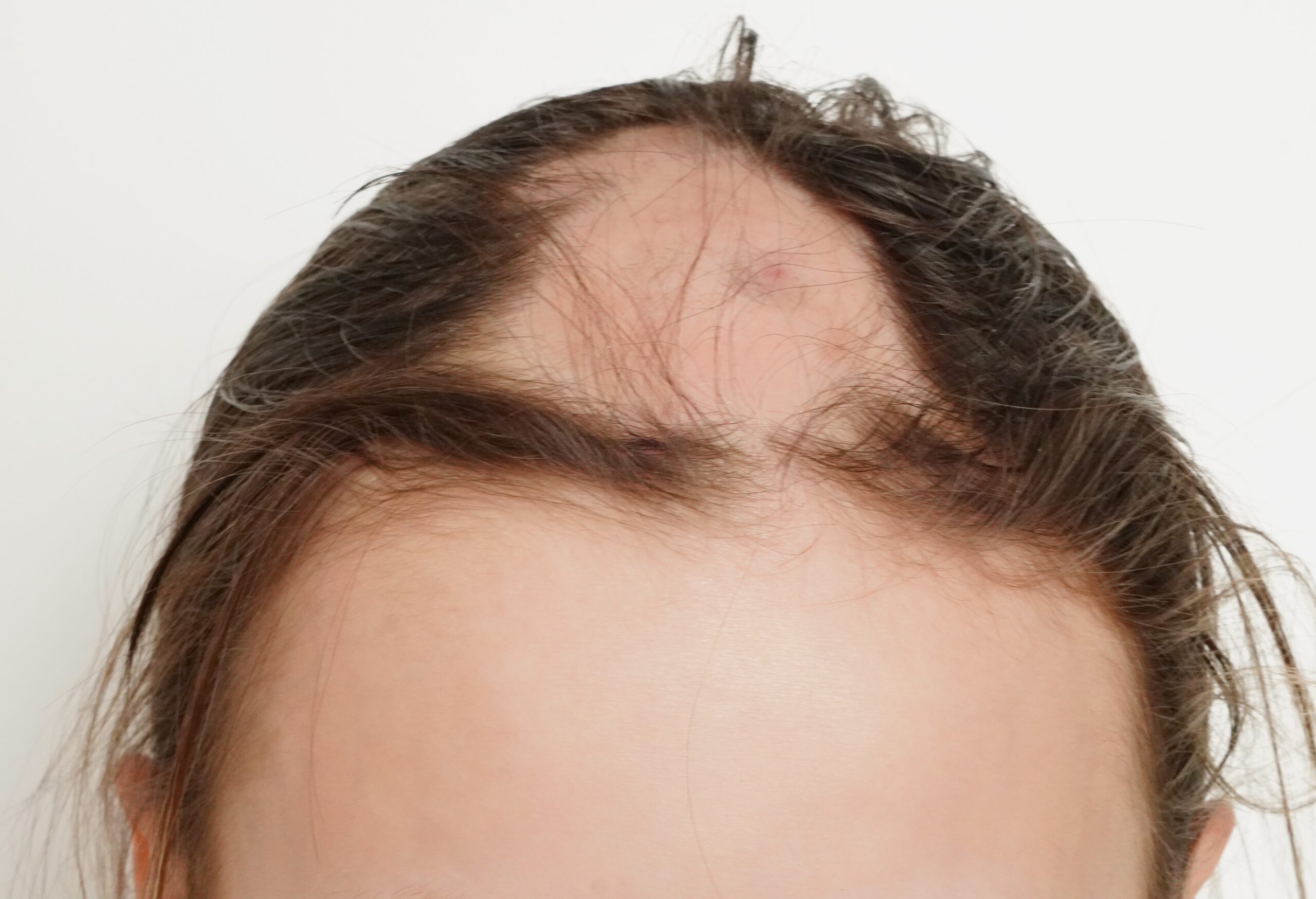
Ritlicinib (Litfulo) , Baricitinib(Olumiant), and Deuruxolitinib (Leqselvi) are FDA-approved for severe alopecia areata in adults. Litfulo can also be used in children 12 and older. These are the first approved systemic treatments for this condition, which has historically had very limited options. Our team also manages alopecia treatment for patients across South Jersey seeking experienced, physician-led care.
Dermatomyositis
The newest JAKi approved for use in dermatology is brepocitinib (Lisraya), approved for dermatomyositis. This is an exciting new option for patient suffering from a disease that has been historically difficult to treat with standard options-steroids, immunosuppressants, anti-malarials.
Hidradenitis Suppurativa
JAK inhibitors are under active investigation for hidradenitis suppurativa and other inflammatory skin conditions. Research is ongoing, and your dermatologist can discuss whether participation in evolving treatment protocols or off-label considerations might apply to your case. HMGS providers will use these drugs topically and orally for difficult cases.
Pediatric Dermatology and JAK Inhibitors
HMGS Dermatology has 4 board certified pediatric dermatologists. Under the direction of Dr. McMahon our team is experienced in using JAK inhibitors in children and adolescents. Eczema (atopic dermatitis), vitiligo, and alopecia areata are treated with JAKi in our office daily. If your child might need a JAKi or advanced therapy, trust one of our pediatric specialists for care.
What Patients Should Know About Safety, Monitoring, and Candidacy for JAK Inhibitors in Dermatology
JAK inhibitors are not appropriate for every patient, and understanding the safety considerations is an important part of any informed conversation with your provider. Because these medications affect immune signaling pathways, they may carry a class-wide FDA boxed warning addressing risks including serious infections, malignancy, major cardiovascular events, thrombosis, and mortality. These risks vary across agents and patient populations, but they are require individualized assessment.
Who May Not Be a Candidate
Patients with a history of certain infections, cardiovascular conditions, blood clots, or specific cancers may not be appropriate candidates for oral JAK inhibitors. Age and other medications can also factor into the risk-benefit calculation. Your dermatologist will review your full medical history before recommending any systemic therapy.
Monitoring During Treatment
Oral JAK inhibitors require baseline laboratory testing and ongoing monitoring, including complete blood counts, lipid panels, and liver function tests. Topical options like Opzelura and Anzupgo cream carry a more limited systemic exposure and do not require laboratory monitoring.
Got JAKne?
Yes, acne can be the result of therapy with JAKi. Don’t worry, HMGS Dermatology is well versed in treating all severities of acne in all age ranges. JAKne responds remarkably well to conventional acne treatments. It is usually managed using standard first-line therapies, such as benzoyl peroxide washes, topical retinoids (eg tretinoin, adapalene), topical clindamycin, or short courses of oral antibiotics (eg doxycycline). Because it is highly manageable, patients rarely need to discontinue their JAK inhibitor therapy to resolve the breakouts.
The Importance of Seeing a Dermatology Provider who is Experienced with Advanced Therapies
HMGS Providers use every FDA approved biologic and JAKi indicated in dermatology. There are days that over 50 patients in our three offices are prescribed advanced therapies.
The nuances of JAK inhibitor prescribing, including which agent to choose, how to counsel on risk, and how to monitor appropriately, are exactly the kind of decisions that benefit from HMGS dermatology expertise. At HMGS, the standard of care is consistent regardless of who you see. Review our full dermatology services in South Jersey or explore our provider publications to understand the depth of clinical experience behind every appointment.
Why Choose HMGS Dermatology in South Jersey?
HMGS Dermatology brings a level of academic and clinical depth that is genuinely rare for a South Jersey practice. Nine board-certified dermatologists and 5 APPs, with certifications spanning the American Board of Dermatology, dermatopathology, and pediatric dermatology, and over 620 peer-reviewed publications place this practice in a category few regional practices can match. Dr. Heymann received the 2025 Master Dermatologist Award from the American Academy of Dermatology, the specialty’s highest honor. The physicians serve as professors and program directors for the dermatology residency at Cooper Medical School of Rowan University, actively shaping the next generation of dermatologists.
For South Jersey families in South Jersey and across Burlington, Camden, and Atlantic counties, HMGS has provided care across generations. Whether you’re researching JAK inhibitors for the first time or ready to discuss your options with a specialist, HMGS is where informed patients come for answers. Reach out through our consultation request page.
Contact Us
If you’re researching JAK inhibitors in dermatology and want to speak with a specialist who can evaluate your specific situation, HMGS Dermatology in South Jersey, is here to help. Our board-certified team brings decades of experience, academic credentials, and a genuine commitment to South Jersey patients. Request a consultation online to take the next step.
Board Certified Dermatologists and Partners
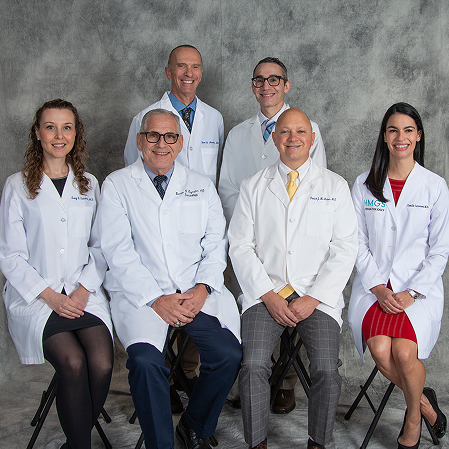
Dr. Warren Heymann, Dr. Steven Manders, Dr. Justin Green, Dr. Lacy Sommer, Dr. Patrick McMahon, and Dr. Camille Introcaso, MD
The partners of HMGS Dermatology represent some of the most highly trained, accomplished, and respected dermatologists in the region, bringing together decades of expertise across general, pediatric, surgical, and academic dermatology. With education and training from some of the nation’s top institutions—including the University of Pennsylvania, UCSF, Temple, and Rutgers—they are board-certified in multiple subspecialties such as dermatology, pediatric dermatology, and dermatopathology. Many serve as professors and program directors at Cooper Medical School of Rowan University, shaping the future of dermatology through teaching, research, and leadership. Collectively, they have held prestigious roles such as division heads, board directors, and presidents of dermatologic societies, while earning recognition through numerous “Top Doctor” awards and lifetime achievement honors. Whether advancing innovation in pediatric care, cutaneous oncology, or medical education, the HMGS partners are united by their commitment to excellence and providing the highest standard of compassionate, expert skin care to their patients.