


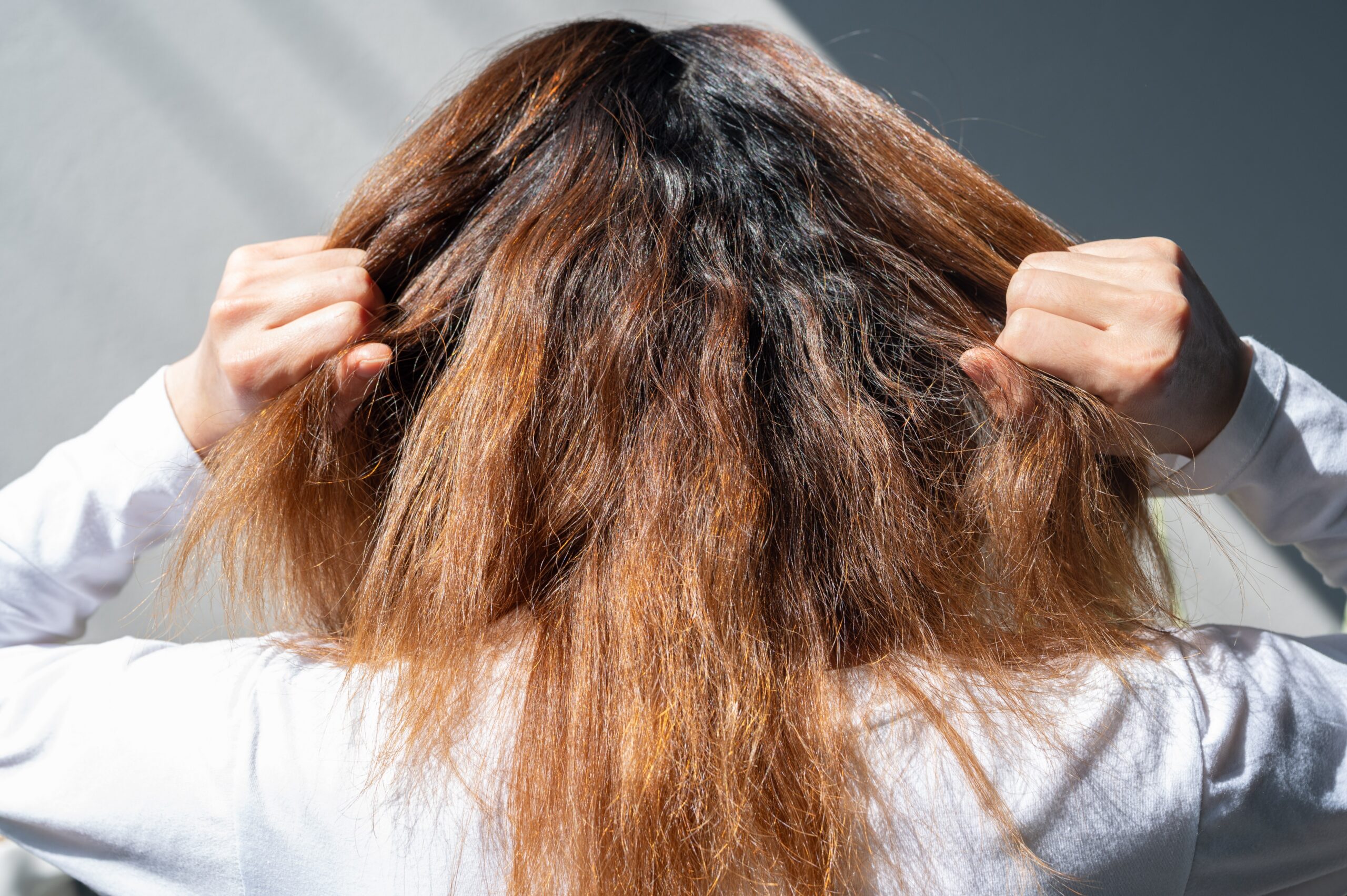
When it comes to hair supplements and biotin, a dermatologist will tell you something the supplement aisle never will: most people taking biotin for hair growth already get enough of it from food. Hair thinning and shedding are among the most common concerns we hear about at our practice, and we understand why patients reach for supplements first. They are affordable, accessible, and marketed aggressively. But before you spend another month on a product that may not address the real cause of your hair loss, it is worth understanding what the research actually says. If you have questions about your own hair health, we encourage you to contact us for a consultation with a dermatologist in Marlton, Hammonton or Camden, NJ.
What the Research Says About Biotin and Hair Growth
Biotin, also called vitamin B7, plays a role in keratin production, which is why it became so closely associated with hair and nail health. The marketing logic is not entirely wrong. The clinical evidence, however, tells a more nuanced story.
True biotin deficiency is rare. When it does occur, it can cause hair thinning, brittle nails, and skin changes. In those specific cases, supplementing biotin may help restore normal hair growth. But research suggests that supplementing with biotin when your levels are already adequate is unlikely to produce noticeable results. The body excretes excess water-soluble vitamins, and more does not always mean better.
A frequently overlooked problem: high-dose biotin supplements can interfere with certain laboratory tests, including thyroid panels and cardiac biomarkers, by mimicking the binding proteins used in immunoassay testing. Collagen peptides, marine proteins, and saw palmetto show some promising signals, but results can vary widely. Our physicians, who contribute to peer-reviewed dermatology publications, routinely apply this assessment of the research lens when advising patients, rather than relying on manufacturer claims.
Hair Supplements and the Dermatologist Perspective: Identifying the Root Cause
Alopecia is not just one thing. “I have alopecia” can mean you have one of dozens of very different conditions. One of the most common pitfalls we see patients make when it comes to hair loss is mistaking their condition for one that supplements claim to help. Here is what separates a dermatologist’s approach to treating hair loss: we look and identify a root cause. Hair shedding and thinning have many possible drivers, and biotin deficiency is rare and one of the least common ones we see in clinical practice. HMGS Dermatology may utilize dermoscopy, lab studies, skin biopsy, pattern recognition, serial photography and decades of experience to help diagnose and treat you.
Common Causes of Hair Thinning We Evaluate
Androgenetic alopecia, the most prevalent form of hair loss in both men and women, does not respond meaningfully to biotin supplementation. Telogen effluvium, a diffuse shedding often triggered by physical or emotional stress, illness, postpartum changes, or rapid weight loss, is also frequently misattributed to vitamin deficiency. Thyroid dysfunction, iron deficiency, and autoimmune conditions like alopecia areata each require specific, targeted treatment.
When a patient comes to us after months of self-treating with supplements without improvement, the first step is always a thorough evaluation. That means looking at the scalp, reviewing your health history, and sometimes ordering bloodwork or performing a skin biopsy to identify which type of alopecia you have. Our board-certified dermatologists and APPs specialize in alopecia treatment services in South Jersey are designed to address the full spectrum of hair loss causes, not just surface-level symptoms.
Skin, Hair and Nail Supplements
Targeted supplementation, guided by a dermatologist, can support hair health and complement other treatments in some specific situations.
Nutrients With Meaningful Evidence
Iron and ferritin deficiency, particularly in premenopausal women, has a clearer association with hair shedding than biotin deficiency does. Correcting low ferritin levels under medical supervision may help reduce shedding over time, though individual results may vary. Vitamin D insufficiency is common and has been associated with certain types of hair loss in the research literature. Zinc plays a role in the hair follicle cycle, and deficiency can contribute to thinning in some patients.
The key distinction is that supplementing these nutrients makes sense only when testing confirms a deficiency. Supplementing without that information is guesswork, and in some cases, excess intake of fat-soluble vitamins like vitamin A can actually worsen hair loss. For patients interested in cosmetic dermatology approaches that go beyond supplements, our team also offers evidence-supported options through our cosmetic dermatology services in South Jersey.
Why Choose HMGS Dermatologists in South Jersey?
HMGS Dermatologists bring something genuinely rare to the table: nine board-certified dermatologists, 5 dermatology APPs, academic appointments at Cooper Medical School of Rowan University, and more than 620 peer-reviewed publications. Our physicians don’t just practice dermatology; they teach the next generation of residents and actively contribute to the research that shapes clinical guidelines.
When you come to us with a hair loss concern, you won’t get a guess or a supplement recommendation based on a trending ingredient. You are getting a clinician-led evaluation from a team that has treated several generations of South Jersey families and has been recognized as top doctors in NJ Monthly, Philadelphia Magazine, and SJ Magazines. Our 2025 AAD Master Dermatologist Award recipient, Dr. Heymann, represents the kind of depth of expertise that is exceptionally uncommon in a private practice setting.
Is biotin safe to take if I am not deficient?
Biotin is generally well-tolerated by most patients and is not associated with significant toxicity, since it is water-soluble and excess amounts are excreted. However, high doses can interfere with certain lab tests, including thyroid and cardiac panels. Before starting any supplement, speak with a dermatologist to determine whether testing is appropriate for your situation.
How long should I wait before seeing results from hair supplements?
Hair grows slowly, typically about half an inch per month, so most dermatologists suggest allowing three to six months before evaluating whether a supplement is having any effect. If you have not noticed a difference after six months of consistent use, that is a strong signal to consult a dermatologist. An underlying cause may require more than supplementation.
Can I get tested to see if I actually need biotin or other hair vitamins?
A blood panel can reveal deficiencies in iron, ferritin, vitamin D, zinc, thyroid hormones, and other markers that might have a meaningful relationship with hair health. Testing before supplementing gives you a clear baseline and helps avoid unnecessary products. Our dermatologists can order and interpret these panels, when appropriate, as part of your full hair loss evaluation.
What dermatology treatments are available for hair loss beyond supplements?
Depending on the specific type and cause of hair loss, treatment options may include FDA-approved topical (minoxidil) or oral medications (eg low dose oral minoxidil, finasteride, spironolactone) , platelet-rich plasma therapy, intralesional steroids, compounded topical agents, or other interventions. For conditions like androgenetic alopecia or alopecia areata, evidence-based medical treatments tend to produce more consistent outcomes than over-the-counter supplements. Our alopecia treatment services cover the full range of options available in South Jersey.
Do you see patients in South Jersey specifically for hair loss concerns?
Absolutely. We see patients across Burlington, Camden, and Atlantic counties and more at our Marlton, Camden, and Hammonton locations. Hair loss is one of the most common concerns we evaluate, and our team is experienced in diagnosing everything from stress-related shedding to autoimmune hair conditions. You name it, we see it all-alopecia areata, telogen effluvium, androgenetic alopecia, frontal fibrosing alopecia, traction alopecia, central centrifugal cicatricial alopecia, lupus, sarcoidosis, folliculitis decalvans, lichen planopilaris, dissecting cellulitis, acne keloidalis nuchae and more! If you are in South Jersey and have been dealing with hair thinning, we welcome you to schedule a consultation with our board-certified dermatologists and APPs.
Schedule a Consultation
If you have been researching hair supplements and biotin, a dermatologist evaluation may be the most valuable next step. HMGS Dermatologists serve patients across South Jersey from our Marlton, Camden, and Hammonton offices. To schedule a consultation with one of fourteen dermatology providers, contact our team today and get evidence-based answers about your hair health.
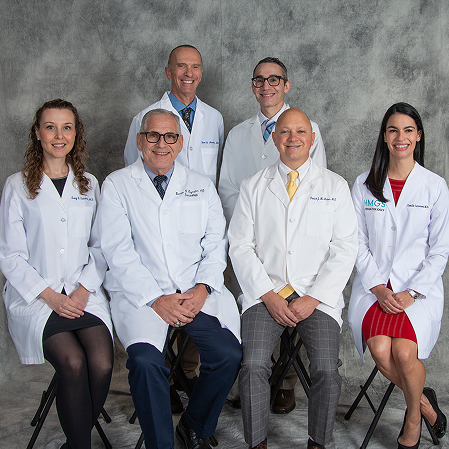
Board Certified Dermatologists and Partners
Dr. Warren Heymann, Dr. Steven Manders, Dr. Justin Green, Dr. Lacy Sommer, Dr. Patrick McMahon, and Dr. Camille Introcaso, MD
The partners of HMGS Dermatology represent some of the most highly trained, accomplished, and respected dermatologists in the region, bringing together decades of expertise across general, pediatric, surgical, and academic dermatology. With education and training from some of the nation’s top institutions—including the University of Pennsylvania, UCSF, Temple, and Rutgers—they are board-certified in multiple subspecialties such as dermatology, pediatric dermatology, and dermatopathology. Many serve as professors and program directors at Cooper Medical School of Rowan University, shaping the future of dermatology through teaching, research, and leadership. Collectively, they have held prestigious roles such as division heads, board directors, and presidents of dermatologic societies, while earning recognition through numerous “Top Doctor” awards and lifetime achievement honors. Whether advancing innovation in pediatric care, cutaneous oncology, or medical education, the HMGS partners are united by their commitment to excellence and providing the highest standard of compassionate, expert skin care to their patients.