


Switching dermatologists is more common than most people realize. Maybe your insurance changed, you moved, your schedules stopped lining up, or your previous practice closed. Whatever the reason, the process is usually more straightforward than it feels, and getting it right just takes a few practical steps. Here’s what to do, in order.
Why People Switch Dermatologists
There’s no wrong reason to change providers. The most common ones include:
- A change in insurance or your plan’s network
- Moving to a new area or your provider relocating
- A practice closing or a provider retiring
- Long wait times for appointments, especially for urgent skin concerns
- Wanting a second opinion or a different approach to treatment
- Looking for a practice with pediatric, adult, surgical and aesthetic dermatology expertise
None of these require an explanation to anyone, including your new dermatologist. A good practice will simply focus on getting you set up quickly for exceptional care.
Step 1: Request Your Medical Records
Your new dermatologist doesn’t need a decade of paperwork, but a few key pieces of history make your first visit far more useful. At a high level, here’s how the transfer works:
- Contact your previous office directly (by phone, patient portal, or in writing) and ask for your dermatology records to be sent to HMGS Dermatology.
- You’ll likely need to sign a HIPAA medical records release form authorizing the transfer. Most offices have their own version, or your new practice can provide one.
- Ask specifically for biopsy or pathology results, treatment history (including any prescriptions or biologics), photos of monitored lesions or moles, and notes from any procedures. All melanoma records, even from years ago, would be helpful.
- If your previous practice has closed, records are often transferred to a designated custodian, a hospital system, or the state medical board. A quick web search or call to your state’s board of medicine can point you to the right place.
Tip: Records transfers can take anywhere from a few days to a few weeks. Request them as soon as you know you’re switching, and don’t wait on records to book your first appointment. Your new HMGS dermatology provider can begin care and follow up once records arrive.
If You’re in the Middle of Treatment: Don’t Let Care Lapse
Switching providers can feel especially stressful if you’re actively being treated, and that stress is valid. Certain treatments are time-sensitive, and a gap in care can set you back. Here’s what matters most depending on your situation:
- Isotretinoin (Accutane) therapy: This treatment requires monthly monitoring and lab work through a strict federal registry (iPLEDGE). Missing a monitoring window can pause your prescription. Bring your most recent lab results and iPLEDGE number to your first visit, or call ahead so your new provider can get you transferred quickly.
- Biologic treatments (for psoriasis, eczema, or hidradenitis suppurativa): Missing a scheduled injection or infusion can affect how well the medication continues to work. Bring your medication name, dose, and injection schedule so your new dermatologist can maintain continuity without restarting the approval process from scratch. Usually we have samples in the office to bridge the gap.
- Phototherapy: Treatment plans are based on your skin type and cumulative light exposure. Bring your most recent treatment log if you have access to it, so your new provider isn’t starting your dosing from zero.
- Surgical or post-biopsy follow-up: If you are in need of a skin cancer/atypical mole treatment or need a wound check, mention this when you book. Most practices, including HMGS, will prioritize these as urgent.
If any of this applies to you, say so when you schedule your first appointment. Practices that handle a high volume of dermatologic care, including HMGS, are used to picking up active treatment plans seamlessly, and can often accommodate a same-day or expedited visit when continuity of care is at stake.
Step 2: What to Bring to Your First Appointment
Even if your records haven’t arrived yet, come prepared with:
- A photo ID and current insurance card
- A list of current medications and supplements
- Names of any prior skin conditions, diagnoses, or surgeries (biopsy dates and results, if known)
- A list of known drug allergies
- Photos of any changing moles, rashes, or lesions you’re monitoring
- Your previous dermatologist’s name and location, in case follow-up is needed
- Any questions you want answered. Write them down so they don’t get lost in the moment
Step 3: What to Expect at Your First Visit
A first appointment with a new dermatologist is generally a combination of a fresh full-body or targeted skin exam and a conversation about your history. At HMGS Dermatology, your first visit typically includes:
- A review of your skin history and current concerns, even without prior records in hand
- A physical exam focused on what brought you in, plus a broader skin check if appropriate
- A clear treatment plan, with next steps explained in plain language
- Coordination with your previous office to finish gathering any outstanding records
- A follow-up plan, whether that’s a prescription refill, a procedure, or a monitoring schedule
You shouldn’t need to repeat your entire history from memory, and you shouldn’t feel rushed. If a provider doesn’t take the time to understand where you’re picking up from, that’s worth mentioning to the practice.
Why Patients Choose HMGS Dermatology
HMGS Dermatology has served South Jersey for more than 40 years, with 14 providers across three locations in Marlton, Camden, and Hammonton. That scale is a practical advantage for anyone switching providers: it means shorter waits, more flexibility in scheduling, and an easier time getting seen close to home no matter where in South Jersey you’re coming from.
- Choose the provider that fits your visit: Physicians and APPs at HMGS work collaboratively as one team, not in separate silos, so care is consistent no matter who you see. Many of our patients alternate between providers of their choice.
- With 14 providers spread across 3 offices, access is easier. There’s more appointment availability, more flexibility to switch locations if one is closer to work or home, and same-day or expedited visits for urgent skin concerns and active treatment transitions
- Three locations, Marlton, Camden, and Hammonton, mean a HMGS office is within reasonable reach from almost anywhere in South Jersey. That geographic footprint gives patients a stable, dependable option even if their previous provider was harder to get to
- A genuinely broad range of services: adult, pediatric, medical, surgical, and cosmetic dermatology are all handled in-house, so patients don’t need to be referred out unnecessarily or juggle multiple practices for related care
- HMGS physicians train dermatology residents at Cooper Medical School of Rowan University, reflecting the depth of clinical expertise behind every visit
- Online scheduling is available 24/7 by location, so you’re not stuck waiting on a callback
The Official Top Doctors of South Jersey
HMGS Dermatologists have won more Top Doc awards in the South Jersey region than any other dermatology group. Your favorite doctors’ favorite dermatologist.
Whatever brought you here, a closed practice, a new insurance plan, or simply the search for exceptional care, switching dermatologists doesn’t have to mean starting over. It just means picking a team that’s ready to keep your care moving forward.
Ready to Get Started?
Book your first appointment online by location: hmgsderm.com/book-by-location
If you’re mid-treatment or have an urgent concern, mention it when you book so our team can prioritize your visit.
Get Started With A Visit!
Fill out the form below and we will reach out to you shortly to schedule an appointment.
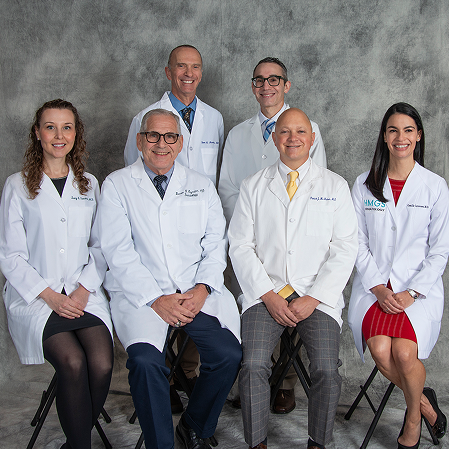
Dr. Warren Heymann, Dr. Steven Manders, Dr. Justin Green, Dr. Lacy Sommer, Dr. Patrick McMahon, and Dr. Camille Introcaso, MD
Board Certified Dermatologists and Partners
The partners of HMGS Dermatology represent some of the most highly trained, accomplished, and respected dermatologists in the region, bringing together decades of expertise across general, pediatric, surgical, and academic dermatology. With education and training from some of the nation’s top institutions—including the University of Pennsylvania, UCSF, Temple, and Rutgers—they are board-certified in multiple subspecialties such as dermatology, pediatric dermatology, and dermatopathology. Many serve as professors and program directors at Cooper Medical School of Rowan University, shaping the future of dermatology through teaching, research, and leadership. Collectively, they have held prestigious roles such as division heads, board directors, and presidents of dermatologic societies, while earning recognition through numerous “Top Doctor” awards and lifetime achievement honors. Whether advancing innovation in pediatric care, cutaneous oncology, or medical education, the HMGS partners are united by their commitment to excellence and providing the highest standard of compassionate, expert skin care to their patients.